Last-Mile Delivery in Europe: DHL, DPD, GLS, UPS & FedEx

SIB Content Team
When shipping from China to Europe, sellers will usually see cross-border shipping providers such as YunExpress, 4PX, or Yanwen in their order dashboards or tracking details. Once a parcel reaches the destination country, the final leg may be handled by DHL, DPD, GLS, FedEx, UPS, a local postal service, or another delivery partner.
A cross-border shipping route typically covers origin handling in China, international transportation, import customs clearance, and local delivery in the destination country. Last-mile delivery is the final stage: moving the parcel through the local delivery network to the end customer.
For sellers, the key question is which local network takes over after the shipment reaches Europe—and how that handoff affects tracking, delivery, pickup, and returns.
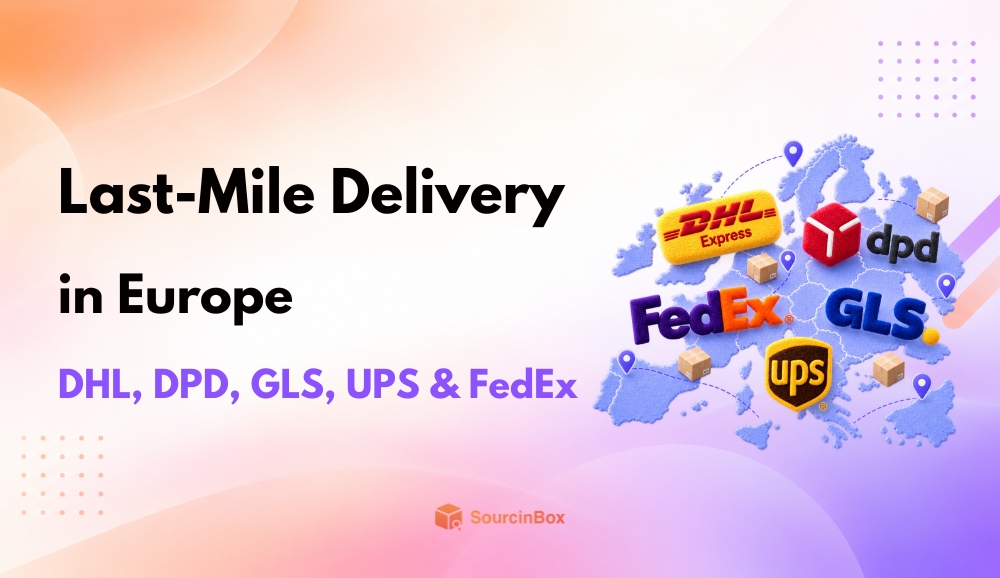
This guide looks at the main services offered by DHL, DPD, GLS, FedEx, and UPS in Europe—and how they differ.
What Is Last-Mile Delivery in Europe?
Last-mile delivery, also known as final-mile delivery, begins when a parcel enters the destination country’s local delivery system and ends when it reaches the recipient. The parcel may be delivered to the customer’s home or sent to a parcel locker, parcel shop, or pickup point.
Shipping from China vs. Shipping from a European Warehouse
For orders shipped directly from a warehouse in China, the last mile is only the final part of the journey. Take a parcel bound for France: it must first go through warehouse processing, international transportation, and import customs clearance. Only then does it enter a French delivery network, where a local carrier handles home delivery or drop-off at a pickup point or parcel locker.
The process is different when inventory is stored in a European warehouse. Orders can move straight from the local warehouse into a local or regional delivery network, so they reach the last-mile stage much sooner. A two-day last-mile service within Europe is not the same as two-day shipping from China to Europe.
How Cross-Border Shipping Hands Off to Local Carriers
For direct shipments from China, cross-border providers such as YunExpress, 4PX, and Yanwen typically arrange or coordinate origin handling, international transportation, and customs clearance before connecting the parcel to a local delivery network in the destination country.
After the parcel arrives in Europe, a local carrier takes over based on the shipping route. DHL, DPD, GLS, FedEx, UPS, a national postal operator, or another partner network may complete final delivery. Which carrier takes over usually depends on the destination country, shipping provider, and route setup. When using these cross-border shipping routes, sellers generally cannot choose the final last-mile carrier directly.
The cross-border shipping provider selected by the seller may not be the same company that completes local delivery. The company handling this final stage is the last-mile carrier, sometimes also called the last-mile provider.
How Tracking Works After Handoff to a Local Carrier
Last-mile delivery tracking works differently depending on the shipping provider and route.
On some routes, the original tracking number continues to update after the handoff, so sellers and customers can follow the shipment with the same number. On others, the local carrier issues a new tracking number for the final leg.
Carriers process and display tracking data at different speeds, so a brief gap in tracking updates can occur around the handoff.
If the parcel has entered local delivery but tracking has not been updated for an extended period, contact the cross-border shipping provider for an update. SourcinBox clients can also ask their 1-on-1 customer manager to check the order status.
How Long Does Last-Mile Delivery Take in Europe?
There is no single last-mile delivery time that applies to every shipment in Europe. Once a parcel enters the local network, the delivery time depends on the carrier, service level, destination country, postcode, and whether the address is in a remote area.
Transit times published on carrier websites usually apply to a specific product and route, and may cover more than the last mile. No single estimate can represent delivery across Europe. Sellers need to distinguish last-mile delivery time from the actual end-to-end delivery time.
Last-Mile Delivery Time vs. Total Delivery Time
When reviewing a carrier’s published transit time, first distinguish it from the customer’s total delivery time:
| Last-mile delivery time | Total delivery time | |
|---|---|---|
| What it means | The time from entry into the destination country’s local delivery network to final delivery | The full period from the customer placing the order to receiving it |
| What it usually includes | Local sorting, transportation, and delivery to a home, pickup point, or parcel locker | Order processing, international transportation, customs clearance, last-mile delivery, and extra time for delays or delivery exceptions |
| For direct shipping from China | Only the final part of the complete shipping journey | The actual end-to-end delivery time |
Even if local delivery takes only a few working days, a direct shipment from China will not reach the customer within that same timeframe.
Before a direct shipment from China reaches a European delivery network, it normally passes through warehouse processing, export handling, international transportation, and import customs clearance.
When inventory is already stored in a European warehouse, the international shipping and customs stages have already been completed before the customer places an order, so post-purchase delivery time is much closer to the local delivery time.
The destination also affects last-mile speed. Major cities tend to have denser delivery networks, while deliveries to remote areas, islands, and sparsely populated postal areas may take longer.
Shipments from the EU to non-EU destinations such as the UK, Switzerland, or Norway may also require cross-border declarations and customs clearance, which can extend the customer’s total delivery time. These steps happen before the last mile and are not part of last-mile delivery itself.
Why Last-Mile Delivery Times Vary by Service Level
DHL, DPD, GLS, FedEx, and UPS all offer several delivery services, but names such as Standard, Classic, Parcel, and Express are not standardized service levels across Europe. These labels refer to products within each carrier’s own service portfolio, so the names—or the transit times shown on different websites—are not directly comparable.
Standard parcel services usually balance cost, coverage, and speed, while Express products are designed for more time-sensitive shipments. Even similarly named services can perform differently depending on the route, postcode, and local network.
Some carriers also offer day-definite delivery on a predetermined date and time-definite delivery by a specified time. Check the terms of the specific product for its coverage and delivery commitment.
Before comparing DHL, DPD, GLS, FedEx, and UPS, confirm the exact service, destination, and delivery conditions. Then compare speed, price, and delivery options—not just headline estimates such as “1–3 days” or “1–5 days.”
Major Carriers for Last-Mile Delivery in Europe
The table below gives a quick comparison of representative services and key features from DHL, DPD, GLS, FedEx, and UPS. A transit-time range is shown only when the carrier publishes a specific estimate; otherwise, sellers need to check the route and postcode.
These figures come from different markets and routes, so they do not provide a like-for-like ranking of which carrier is faster.
| Carrier | Representative Services & Features | Published Transit Time* | Key Strengths |
|---|---|---|---|
| DHL | Parcel Connect, Parcel Return Connect, Parcel Connect Plus; DHL Express available separately | No single transit time is published on the referenced Parcel Connect page; check the route and postcode | Broad European ecommerce delivery and returns network, with separate Express services |
| DPD | DPD Classic, Predict on eligible services, Pickup | DPD Germany lists around 1–4 working days for Classic shipments within Europe | B2C notifications, delivery windows and OOH options |
| GLS | EuroBusinessParcel, FlexDeliveryService, ShopDeliveryService | GLS Spain lists around 24–48 hours to major European markets; more remote destinations may take longer | Strong European road parcel network with B2B and B2C options |
| FedEx | Regional Economy, International Connect Plus, International Priority | Day-definite; delivery time depends on origin and destination | European road network combined with international and Express services |
| UPS | UPS Standard, UPS Express, UPS Express Saver | Check the route and postcode; transit commitments vary by service and market | Clear Standard-to-Express tiers with an integrated road and air network |
Europe has many last-mile carriers beyond these five. National postal services and regional networks also handle a large share of final deliveries. The sections below focus on DHL, DPD, GLS, FedEx, and UPS, but availability still depends on the route, destination, and shipment details.
DHL
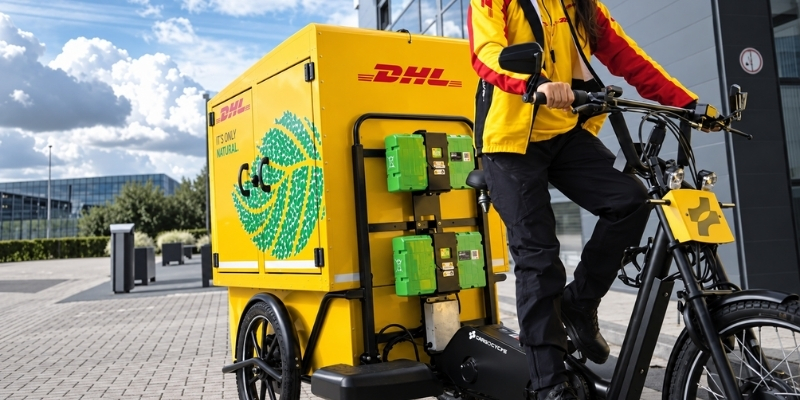
One common source of confusion in ecommerce logistics is that DHL eCommerce / Parcel and DHL Express are different types of service. The former is generally used for standard ecommerce parcels, returns, and high-volume distribution within Europe, while the latter serves time-sensitive international shipments. Both may appear as “DHL,” but the underlying product and delivery experience can be different.
Common services:
- DHL Parcel Connect: Designed for cross-border B2C parcels in Europe, with options such as tracking, delivery notifications, pickup points, and parcel lockers depending on the destination country.
- DHL Parcel Return Connect: A cross-border returns service that helps merchants manage returns from different European markets.
- DHL Parcel Connect Plus: Built for B2B and multi-parcel shipping, allowing several parcels to be managed as one shipment.
- DHL Express Worldwide: DHL Express’s time-definite international service, suited to samples, urgent after-sales replacements, and small high-value parcels that need faster delivery.
DHL’s portfolio ranges from standard B2C parcels and cross-border returns to urgent Express shipments. Sellers operating across several European markets can match the service to the order and delivery deadline instead of putting every shipment on the same route.
Parcelshop access, pickup, rescheduling, and delivery notifications vary by destination and product. When a route is labeled “DHL delivery,” check whether it uses Parcel, eCommerce, or Express and which recipient options are actually available in that market.
DPD
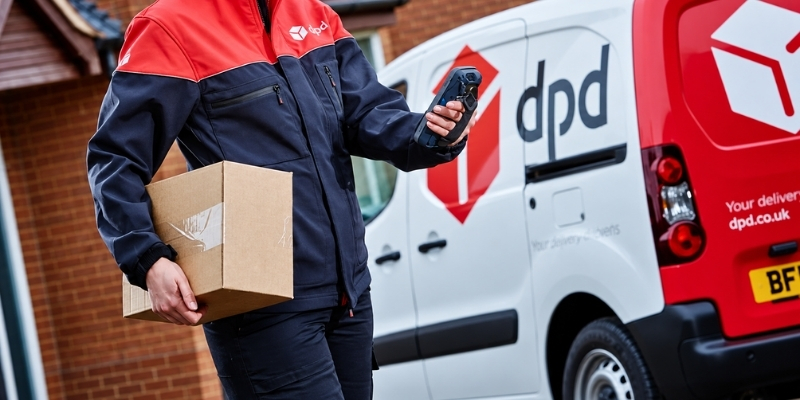
DPD is commonly used for residential B2C delivery in Europe. Sellers often look at recipient-facing features such as Predict, Pickup, and delivery notifications, which give customers earlier visibility into delivery plans and, in some markets, more flexible ways to receive their parcels.
Main services and features:
- DPD Classic: A standard European road parcel service for routine B2B and B2C orders.
- Predict: Provides recipients with a delivery date or estimated time window on eligible B2C services and in supported markets. Predict availability and recipient options vary by market and service.
- Pickup, Shop2Shop, and Returns: Cover parcel collection, point-to-point shipping, and returns, adding out-of-home options to residential delivery.
DPD stands out for flexibility in residential B2C delivery. Notifications, estimated delivery windows, and pickup points can reduce failed first delivery attempts when recipients are away during the working day, which also means fewer redelivery requests and customer service contacts. Some markets let recipients change the delivery date or address, or redirect the parcel to a Pickup point.
These features are not consistent across Europe. Delivery windows, rescheduling methods, pickup options, and Express services vary by country, postcode, and product. Do not assume that service levels in major cities will apply to remote areas, islands, or longer cross-border routes.
If most of your orders are residential B2C shipments, check the local features in your main markets first. For high-value or deadline-sensitive orders, confirm Express availability and postcode coverage as well.
GLS
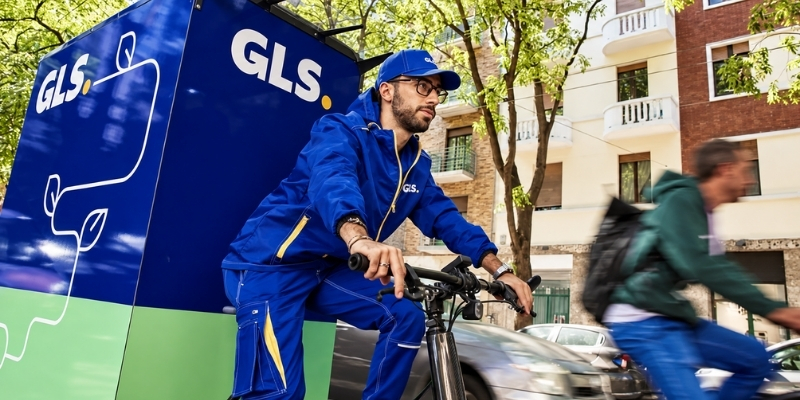
GLS has an established European parcel and road network and is commonly used for standard parcels, B2B deliveries, and regional cross-border shipping. ParcelShop, Locker, and FlexDelivery services also support a wider range of B2C delivery preferences.
Key services:
- EuroBusinessParcel: A standard cross-border parcel service for routine B2B and B2C delivery within Europe.
- FlexDeliveryService: Provides estimated delivery notifications, with options in some markets to change the date or address or redirect the parcel to a pickup point.
- ShopDeliveryService, ShopReturnService, and Pick&ReturnService: Cover delivery to pickup points and different return options.
GLS’s European road network is a common option for stock already held in Europe, deliveries to business addresses, store replenishment, and standard B2C parcels. FlexDelivery, ParcelShop, and Locker options extend the network beyond traditional B2B parcel delivery.
Services and recipient features differ by country, and performance can vary between major cities and remote areas. If you sell across several European markets, check the relevant options for your key countries and postcodes instead of applying figures from one national GLS site to the whole region.
UPS
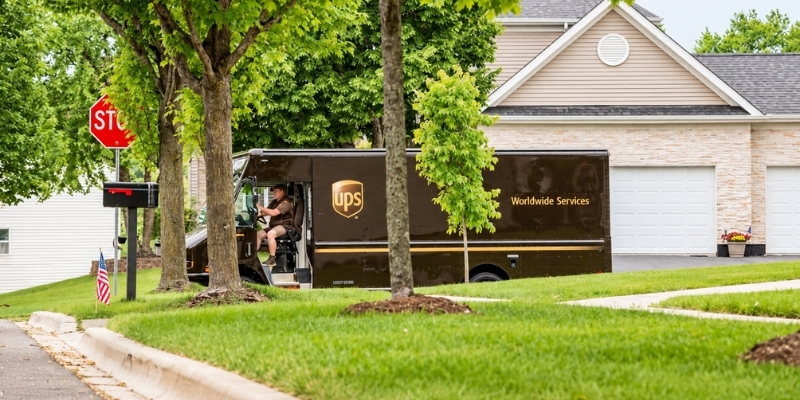
UPS also provides standard road transportation and several Express services. Some products cover the complete international journey, so they should not all be treated as last-mile-only services.
Common services:
- UPS Standard: A European road service for non-urgent B2B and B2C orders, with day-definite delivery.
- UPS Express / Express Saver: Faster options for time-sensitive shipments. Express generally targets earlier delivery, while Express Saver typically delivers by the end of the working day.
- UPS Access Point and UPS My Choice: Recipient-facing features for pickup, redirection, delivery notifications, and parcel management.
PS has a clear progression from Standard to Express Saver and Express. When an order has a tighter delivery deadline, sellers can upgrade to a faster service within the same UPS network. Access Point and My Choice add pickup, notification, and redirection options for residential deliveries.
Base shipping rates alone do not show whether UPS is a good fit for a European route. Residential addresses, remote areas, oversized parcels, address corrections, and additional handling can all increase the final cost, while recipient features vary by country. Check the exact service carefully for high-value goods, business addresses, or deadline-sensitive orders. For standard B2C parcels, compare both total cost and the local delivery experience.
FedEx
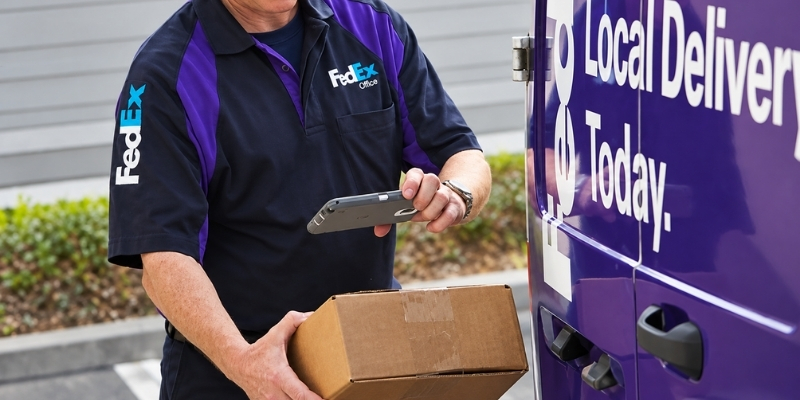
FedEx offers more than Express delivery in Europe. Its portfolio also includes regional road transportation and e-commerce services. Some FedEx products cover the full international shipping journey rather than last-mile delivery alone.
Common services:
- FedEx Regional Economy: A regional service between European countries for non-urgent shipments that need a balance of cost and speed, with day-definite, door-to-door delivery.
- FedEx International Connect Plus: An e-commerce service offering end-to-end tracking and day-definite delivery, with features such as delivery notifications and FedEx Delivery Manager.
- FedEx International Priority / Priority Express: Intended for time-sensitive international orders; the exact delivery commitment depends on the route and destination.
FedEx is not limited to air express services in Europe. Its network also includes regional road and cross-border options, so the best fit depends on the shipment value, delivery deadline, and destination.
It is worth comparing FedEx service levels for high-value products, commercial samples, spare parts, heavier parcels, and shipments that require more detailed tracking or tighter delivery times. Standard residential parcels may not justify the added cost of Priority or Express. Look at the full delivery cost, destination coverage, and local delivery experience before paying for a faster tier.
Home Delivery and OOH Options in Europe
Last-mile delivery in Europe is not limited to home delivery. Out-of-home (OOH) delivery to parcel lockers, parcel shops, and pickup points is common in many European markets.
DHL’s 2026 E-Commerce Trends Report found that 40% of European shoppers have their items delivered directly to an OOH location, while 75% return unwanted items through a parcel locker or parcel shop.
The report does not represent every European country, but it makes one point clear: in many markets, OOH is more than a fallback after a failed home-delivery attempt.
For dropshipping sellers, OOH availability depends on the destination country, shipping provider, and final carrier. When assessing a route, check parcel lockers, pickup points, redirection, and OOH returns as well as transit time.
How to Choose a Shipping Method for Dropshipping in Europe
When comparing shipping methods for Europe, look beyond price and the estimated total delivery time. The full route—from the warehouse in China to the customer’s doorstep—also needs to perform consistently.
Focus on the following points:
1. Destination and postcode coverage: Does the route cover your main sales regions? Will remote areas, islands, or special postcodes take longer or cost more?
2. Tracking and local delivery: Will tracking continue to update after the parcel reaches the destination country? Can you obtain a clear status when a delivery problem occurs?
3. Product restrictions: Does the route accept products containing batteries or liquids? Does the product meet the route’s size, weight, and declared-value limits?
4. Total delivery cost: Beyond the base rate, check for possible remote-area, oversize, redelivery, and return charges.
5. Exceptions and after-sales support: If customs clearance is delayed, a parcel is lost, delivery fails, or proof of delivery is disputed, what investigation, documentation, and support can the shipping provider offer?
Reassess your shipping methods whenever order volume, core markets, or product types change. Base the decision on current delivery performance in each market rather than continuing to use a route simply because it worked well in the past.

FAQ About Last-Mile Delivery in Europe
1. What should sellers do if tracking stops after carrier handoff?
A short tracking gap can happen after carrier handoff. If there is no update for an extended period, contact the cross-border shipping provider to confirm the local carrier and delivery status. SourcinBox clients can also ask their 1-on-1 customer manager to check the order.
2. Can express shipping avoid customs delays?
No. Express shipping can reduce transit time, but it does not eliminate customs delays. Issues with customs declarations, HS codes, duties, taxes, or other import information can still hold a parcel before it enters the local delivery network.
3. Can OOH Delivery also be used for returns?
Some markets and routes support this. Parcel lockers, parcel shops, and pickup points may be used for both delivery and returns, but return networks, label requirements, holding periods, and collection deadlines vary by country, carrier, and service. Do not stop at checking whether a parcel can be delivered to a pickup point; confirm whether the route also supports OOH returns.
How SourcinBox Handles European Order Delivery
On SourcinBox, sellers choose a cross-border shipping method based on the destination country, product characteristics, delivery time, and cost. The selected route then connects to a local delivery network in the destination country, so sellers do not need to arrange last-mile delivery with DHL, DPD, GLS, or another carrier themselves.
Available shipping methods vary by destination, product weight, and route conditions. Products containing batteries and other sensitive goods may also require a compatible shipping route. Do not compare shipping methods based on the base rate alone. Factor in the product’s characteristics, package dimensions, and available routes. SourcinBox shipping rates are calculated based on factors such as product weight, shipping method, and destination country.
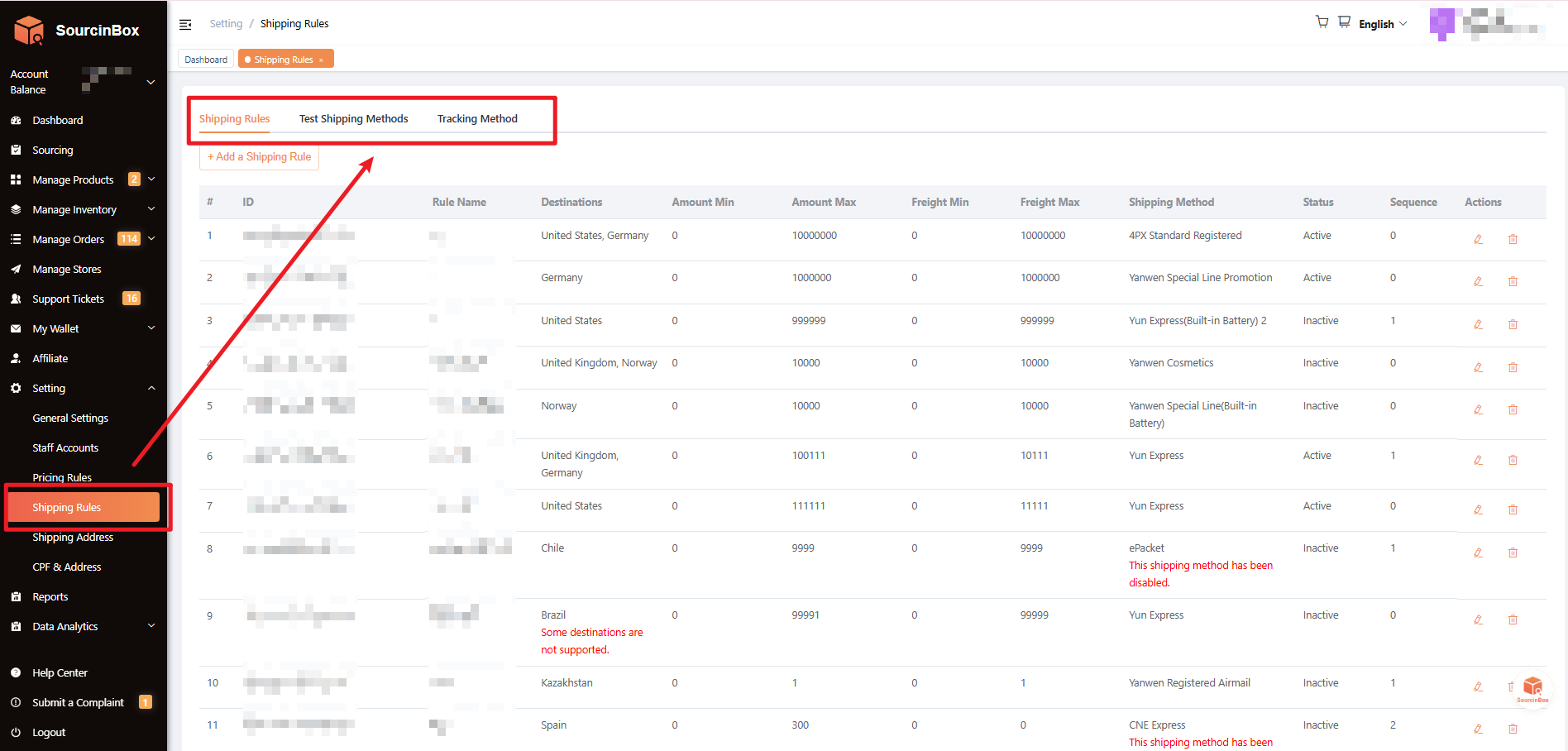
Sellers with established core markets and preferred shipping methods can also set up Shipping Rules in SourcinBox. You can set a Shipping Method in advance based on conditions such as destination country, order value, and the shipping fee charged to the customer. When an order matches the rule, the system applies the method automatically, reducing manual work on each order.
After dispatch, sellers can follow the shipment using its tracking number. If updates stop for an extended period during customs clearance, carrier handoff, or local delivery—or if delivery fails or the parcel is lost—contact your SourcinBox 1-on-1 customer manager to check the order and get help with the next steps.
Once order volume becomes more predictable, sellers looking to shorten post-purchase delivery times in Europe can discuss overseas warehousing and local fulfillment with their customer manager. Whether it makes sense to stock inventory in Europe depends on sales volume, inventory turnover, and the target market.
Delivery performance for European orders depends on the destination, product, shipping method, and local network. Compare the routes currently available in the SourcinBox App.

Share Article: