10 Best Dropshipping Website Builders in 2026

SIB Content Team
Ready to start a dropshipping business but find no way to build an online store?
Should I use any website software? If so, which one?
Do I need a real technical background?
Should I pay a web designer to create a website for me?
All these questions can be solved by a dropshipping website builder!
Starting a successful business today relies heavily on choosing the right tech stack. A dedicated dropshipping website builder enables sellers to launch stores faster without coding, manage products and orders efficiently, connect with suppliers for automated fulfillment, and build a strong brand that owns the entire customer experience.
In this guide, we’ve compiled a list of ecommerce platforms for dropshipping with key features and prices for your reference. Read on to find the one that fits your needs to help you scale your business and increase sales!
Quick Answer: How to Choose the Best Dropshipping Website Builder?
The best dropshipping website builder depends on your business stage, budget, technical skills, and growth needs.
➤ Best Overall: Shopify
➤ Best for Flexibility & SEO: WooCommerce
➤ Best for Growing Stores: BigCommerce
➤ Best for Beginners on a Budget: Hostinger
➤ Best for Branding & Design: Wix or Squarespace
➤ Best for Existing Websites: Ecwid
Before choosing, compare not only the monthly price but also dropshipping support, long-term costs, scalability, and the tools available for managing and optimizing your store.
4 Key Criteria for Choosing a Dropshipping Website Builder
When choosing a dropshipping website builder, focus on whether the platform fits your current budget, operational needs, and future store optimization requirements.
- Set Your Website Budget Based on Your Business Stage
Beginners can prioritize affordable ecommerce platforms that make it easy to launch a store quickly. As your dropshipping business grows, you may need to increase your budget for automation tools and more advanced features.
- Check Supplier and Fulfillment Integrations
Features such as product importing, inventory syncing, order syncing, and shipment tracking can help dropshippers reduce repetitive manual work.
- Evaluate Ecommerce, SEO, Marketing, and AI Features
Choose a dropshipping website builder with strong core ecommerce and marketing features. Built-in AI tools can also help you achieve dropshipping automation.
- Consider Scalability and Platform Control
To support future business growth, check the platform’s product and order limits, custom code options, data export capabilities, and third-party integrations.
10 Best Dropshipping Website Builders in 2026
Based on these key criteria, which platform is the best fit for your business?
Different ecommerce platforms vary in dropshipping support, ease of use, scalability, and long-term costs. The comparison below covers 10 popular options to help you find the best website builder for your dropshipping business stage, technical skills, and budget.
| Platform | Best For | Ease of Use | Dropshipping Support | Scalability | Starting Cost |
|---|---|---|---|---|---|
| Shopify | Beginners to growing dropshipping stores | Very Easy | Extensive integrations & automation | High | From $25/month |
| WooCommerce | Sellers who want more control and customization | Moderate | Strong plugin-based support | High | Free core plugin; extra hosting and plugin costs |
| Wix | Beginners and small branded stores | Very Easy | Good third-party integrations | Medium | From $17/month |
| BigCommerce | Growing stores with large catalogs or multichannel needs | Moderate | Strong integrations & APIs | Very High | From $29/month |
| Squarespace | Small niche stores focused on branding and visual design | Very Easy | Limited integrations | Medium-Low | From around $25/month |
| Ecwid | Adding ecommerce to an existing website | Easy | Good third-party integrations | Medium | From $5/month |
| Hostinger Website Builder | Budget-conscious beginners testing simple stores | Very Easy | Basic dropshipping support | Low-Medium | From $11.99/month |
| GoDaddy | Beginners who want a simple all-in-one setup | Very Easy | Limited dropshipping support | Low-Medium | From $20.99/month |
| PrestaShop | Technical sellers who want an open-source ecommerce system | Difficult | Module-based support | High | Free software; hosting and modules cost extra |
| Shift4Shop | Sellers who prefer more built-in ecommerce features | Moderate | Basic integrations | Medium | $41/month |
Shopify

If you are looking for a feature-rich and mature website builder, Shopify is one of the safest choices.
It combines website building, product and order management, payments, marketing, analytics, and third-party apps in one platform, making it especially suitable for beginners and growing sellers. You can easily connect your Shopify store with SourcinBox to sync inventory and order information more efficiently.
As your business grows, subscription fees and paid apps can gradually increase your operating costs. Customization is also more limited than on fully open-source platforms.
Key Features:
✦ No-code website building with AI-assisted store creation and management tools
✦ A wide range of dropshipping and fulfillment app integrations
✦ A complete ecosystem for marketing, analytics, and third-party apps
✦ Support for multi-market, multilingual, and multi-currency selling
Pricing:
Offers a free trial for 3 days, then enjoy $1/month for 3 months
The paid plans start as low as $25/month
Woocommerce

WooCommerce is a good choice for dropshippers who want greater control over their website and more customization options. It is an open-source ecommerce platform built on WordPress. It is better suited to sellers with some technical skills and a budget for long-term maintenance.
The platform gives you the flexibility to choose your own hosting provider, payment methods, themes, and plugins, while maintaining greater control over website data, the checkout process, and feature expansion. You can also connect your WooCommerce store with SourcinBox in just a few steps to streamline your dropshipping operations.
Key Features:
✦ Greater control over website and customer data
✦ Full control over website data, checkout processes, and operating costs
✦ Support for APIs and third-party system integrations
✦ A wide range of SEO, marketing, and dropshipping plugins
Pricing:
The WooCommerce core plugin is free, but hosting, domains, themes, plugins, and maintenance can all add extra costs.
Wix
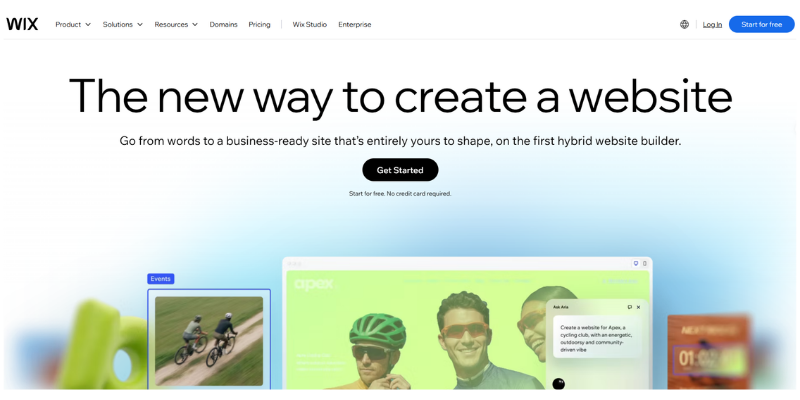
If you are concerned about having little or no technical experience, you may prefer a drag-and-drop, no-code website builder. Wix is a website-building platform designed for beginner dropshippers and small sellers.
It offers ecommerce features, marketing tools, and third-party dropshipping integrations. For long-term use, however, it may become limiting if your store has complex inventory, multiple sales channels, or a high order volume.
Key Features:
✦ A wide range of website templates with strong design flexibility
✦ Built-in product, order, and basic inventory management tools, plus third-party dropshipping integrations
✦ SEO and email marketing tools
✦ AI-powered website building and content generation
Pricing:
A free plan is available, with paid plans starting at $17/month
BigCommerce

If you have a more complex product catalog, operate multiple stores, or are expanding into multichannel selling, BigCommerce may be a better fit. This ecommerce platform includes more built-in ecommerce features and supports Multi-Storefront, open APIs, and enterprise-level integrations.
However, if you are new to building online stores, you should also consider its steeper learning curve and potentially higher expansion costs.
Key Features:
✦ Support for complex product catalogs, options, and variants
✦ SaaS hosting, so you do not need to maintain your own server
✦ Support for multi-currency and international selling
✦ Multi-store and multichannel selling capabilities
Pricing:
15-day free trial
Standard Paid plans start at $29/month
SquareSpace

Want to create a more polished visual experience and build a stronger brand image for your dropshipping store? Squarespace is an ecommerce website builder known for its design and branding capabilities.
If you have a relatively small product catalog and a strong focus on branding, this website builder can be a suitable choice. Squarespace also has limitations. As your order volume grows and your product catalog, tax settings, shipping rules, and promotions become more complex, store operations may require more manual work.
Key Features:
✦ High-quality templates and flexible website design tools
✦ Built-in order, payment, and basic inventory management
✦ Marketing and analytics tools
✦ AI-assisted website building and content generation
Pricing:
Free for 14 days
Basic commerce plans start at $25/month
Ecwid

If you already have a content website and want to add ecommerce functionality, Ecwid can be a practical choice. It allows you to embed an online store into an existing website and manage products, orders, and multiple sales channels from one dashboard.
For dropshippers, Ecwid is easy to set up and convenient for centralized store management. However, its SEO capabilities, app ecosystem, and long-term scalability are relatively limited.
Key Features:
✦ Add ecommerce functionality to an existing website
✦ Mobile store management
✦ SEO, discount, and basic marketing tools
✦ Additional functionality through apps and third-party tools
Pricing:
Basic plans start at $5/month
Hostinger

Do you want to build a website quickly with AI? Hostinger is a no-code website builder worth considering. You can start with a ready-made template or use AI to generate a website quickly, then add online store functionality directly. It also includes web hosting, page editing, product management, payments, orders, inventory, and basic marketing tools.
Hostinger's low subscription price makes it attractive to sellers with limited budgets. Its main drawback is weaker dropshipping automation. As your business becomes more established, you may need to upgrade your hosting plan or migrate to another platform.
Key Features:
✦ AI tools for generating websites, images, and product descriptions
✦ Website building and hosting in one platform, with no separate server setup required
✦ No-code drag-and-drop website building
✦ A wide range of responsive templates
Pricing:
Basic plans start at $11.99/month
GoDaddy

What other website builders can beginners and small dropshipping businesses consider? GoDaddy is a no-code website builder that allows you to set up an online store quickly and with minimal technical skills. It also combines AI website-building and marketing tools.
In addition, GoDaddy includes basic ecommerce features such as domains, payments, product management, marketing, and multichannel selling. However, its limitations become more noticeable if you manage complex product catalogs, need more marketing automation tools, and rely on a wider range of app integrations.
Key Features:
✦ Domains, websites, and ecommerce features in one platform
✦ AI-powered website building and marketing tools
✦ Built-in SEO, email, and social media marketing tools
✦ Product, order, and inventory management
Pricing:
Online store 20.99$/month
PrestaShop

If you are looking for a free website-building platform, want greater control over your website, and have some technical skills, PrestaShop may be worth considering.
It is a website builder designed specifically for ecommerce businesses. PrestaShop allows dropshippers to manage website code, payments, marketing features, and other functions more freely. However, you should also consider the higher long-term maintenance costs of this type of platform.
Key Features:
✦ Open-source platform with extensive customization options
✦ Support for automated supplier order forwarding and inventory syncing
✦ Self-hosting options as well as an official hosted solution
✦ Multilingual and multi-currency support
Pricing:
Free (excluding plugin costs)
Shift4Shop

Finding and managing multiple third-party apps can be frustrating. Shift4Shop can help reduce that burden. It is a hosted ecommerce website builder with a relatively complete set of built-in ecommerce features, including product management, inventory management, SEO, and website design tools.
Its extensive native features can appeal to sellers who want to reduce their reliance on third-party apps. However, Shift4Shop has fewer dropshipping integrations and a smaller user base than some larger ecommerce platforms.
Key Features:
✦ A wide range of built-in core ecommerce features with less need for additional apps
✦ Hosted platform, so you do not need to maintain your own server
✦ Support for complex product catalogs and product options
✦ Customizable, mobile-friendly ecommerce templates
Pricing:
41$/month
Of course, if you do not have enough knowledge and time to build a website yourself, you can work with experts. Fiverr is the perfect option where you can hire freelancers to design a website. You can choose the designer based on your needs and budget. Just share your opinions with your designer to customize an attractive dropshipping website. Besides, its 24/7 support allows you to contact the support team whenever you have questions.
Which Website Builder Is Best for Dropshippers?
There is no single best ecommerce platform for every dropshipper. The right choice depends on your business stage and operating priorities. The common scenarios below can help you find the right dropshipping website builder more quickly.
Beginners: Shopify, Hostinger, or GoDaddy
If you want to launch quickly and start testing products, Shopify is a strong choice because it has a more mature ecosystem for dropshipping integrations and automation. If you have a limited budget and only want to validate a product or market, Hostinger and GoDaddy offer lower upfront costs.
Small Brand Stores: Wix or Squarespace
If you have a smaller product catalog and care more about website design and brand presentation, Wix or Squarespace may be a better fit. Wix offers greater editing flexibility, while Squarespace is more suitable for niche stores that want a consistent visual style.
Growing Stores: Shopify or BigCommerce
Once your store starts generating steady orders, inventory, order management, fulfillment, and automation become more important.
Shopify is well suited to businesses that want to keep expanding through apps. If you manage a large number of SKUs, a complex product catalog, or multiple storefronts, BigCommerce may be a better option.
SEO and Customization: WooCommerce or PrestaShop
If SEO, website control, and advanced customization are more important to you, WooCommerce or PrestaShop may be suitable choices. Both platforms offer greater flexibility, but they also require more ongoing technical work.
Existing Websites or Special Needs: Ecwid or Shift4Shop
Ecwid works well if you already have a blog or business website and only need to add ecommerce functionality. Shift4Shop is better suited to sellers who prefer built-in features and fewer third-party apps.
Common Mistakes to Avoid When Building a Dropshipping Store
Choosing the best dropshipping website builder is only the first step. During the store-building process, some seemingly simple decisions can increase long-term costs or affect store performance. Here are 4 common mistakes you can avoid from the beginning.
Looking Only at the Monthly Subscription
Do not judge whether a platform is affordable based only on its basic monthly subscription. Extra costs for apps, essential features, plugins, transaction fees, themes, and hosting can make your long-term operating costs much higher than expected.
Relying on Too Many Apps and Plugins
Using too many apps and plugins can slow down your website. Prioritize ecommerce platform for dropshipping with strong built-in features, and use apps only for the functions you actually need.
Ignoring the Mobile Shopping Experience
A large share of traffic from ads and social media to dropshipping stores comes from mobile devices. Before launching your store, test your product pages, navigation, loading speed, and mobile checkout experience.
Skipping Store Testing and Performance Tracking
Focusing only on whether your store can launch successfully can make it easy to overlook ongoing performance tracking and optimization. Prioritize platforms that support traffic, sales, and order tracking, and continue improving your pages and operating strategies based on actual performance.
Automate Your Dropshipping Store with SourcinBox
Once your store is built, the next step is working with dropshipping agents and connecting your sales channels with sourcing, inventory, and order fulfillment.
SourcinBox can connect directly with ecommerce platforms such as Shopify, WooCommerce, Etsy, Nuvemshop, Yampi, CartPanda, and Shoplazza. This allows you to sync store orders and manage the entire fulfillment process in one system.
Once your store is connected, you can use SourcinBox for product sourcing, purchasing, and quotations, quality inspection, inventory management, custom packaging, and global shipping. We help reduce the time you spend manually handling orders and supply chain tasks, so you can focus more on marketing, conversions, and business growth.
Connect your store with the SourcinBox app now for more free services!
Frequently Asked Questions
What is a dropshipping website builder?
A dropshipping website builder is a tool that helps sellers quickly create and manage an independent dropshipping store.
In addition to website design, it usually includes ecommerce features such as product management, order processing, payments, inventory management, marketing tools, and supplier or fulfillment integrations. These tools allow sellers to start selling online without building a website from scratch.
What is the best website builder for dropshipping?
The best dropshipping website builder depends on your business stage and priorities. Shopify is a strong all-around option for beginners, while Hostinger suits tighter budgets and Wix or Squarespace work well for design-focused stores.
For growing stores with larger catalogs, BigCommerce may be a better fit. WooCommerce is better suited to sellers who prioritize SEO, customization, and greater website control.
What features should a dropshipping website builder have?
A suitable dropshipping website builder should include core features for product, inventory, and order management, as well as payment and shipping settings, supplier and fulfillment integrations, SEO, marketing, and analytics. Ideally, it should also support product importing, inventory syncing, automated order forwarding, and shipment tracking to reduce manual work.
Is Shopify the best platform for dropshipping?
For most beginner and growing dropshippers, Shopify is a reliable choice because it is easy to set up and has a mature ecosystem for supplier, payment, shipping, and marketing integrations. However, Shopify is not the best choice for every situation. You should choose a website builder based on the needs of your dropshipping business at each stage of growth.

Share Article: