How Soaring Oil Prices Are Shaking Cross-Border E-Commerce and Dropshipping

SIB Content Team
Since the beginning of 2026, the global logistics market has been under increasing pressure. Amid ongoing tensions in the Red Sea and escalating geopolitical conflicts around the Strait of Hormuz, both ocean and air freight rates have surged significantly.
Many cross-border e-commerce sellers have already noticed widespread increases in logistics quotes and varying delays in order fulfillment across regions. What is really driving this wave of disruption?
In March 2026, the global energy market was hit by a major shock. The disruption of the Strait of Hormuz directly sent international oil prices soaring. As of March 20, Brent crude had climbed to $106 per barrel — a staggering 66% increase compared to late February.

This conflict in the Middle East is hitting the cross-border e-commerce industry with rising raw material costs and surging logistics expenses. Why have oil prices risen so sharply? Why are logistics costs increasing? What does this mean for cross-border sellers? And how should dropshippers respond to this shifting landscape?
Why Oil Prices Are Surging Sharply?
The sharp rise in oil prices is not coincidental. It is driven by a combination of tightening supply and recovering global demand.
Geopolitical Tensions Raise Supply Risks
The primary trigger behind this surge is the escalation of geopolitical conflicts in the Middle East. The Strait of Hormuz serves as a critical artery for global crude transportation, handling 20%–30% of seaborne oil trade. In 2025, approximately 13 million barrels of crude passed through the strait daily, accounting for around 31% of total seaborne flows.
A closure of the Strait of Hormuz would directly disrupt global crude supplies. Market fears of supply shocks have rapidly driven up risk premiums, becoming a key force behind rising oil prices. The International Energy Agency (IEA) has warned that if the blockage persists, Brent crude could exceed $150 per barrel.
OPEC+ Production Cuts Tighten Supply
Alongside involuntary disruptions caused by geopolitical tensions, OPEC+ has continued its voluntary production cuts, further tightening global supply. The group has extended its 2 million barrels-per-day production cut through Q2 2026, reducing available supply in the market.
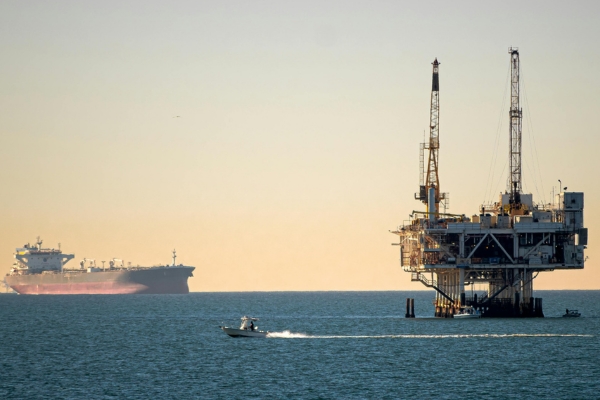
With both geopolitical risks and coordinated production cuts in play, global crude inventories remain at low levels. The lack of sufficient buffer makes the market more vulnerable to shocks — pushing prices higher.
Global Demand On the Rise
While supply tightens, global crude demand has been steadily recovering, creating a classic environment of tight supply and rising demand.
In 2026, the global economic recovery has exceeded expectations. Industry forecasts suggest that daily oil demand could reach around 103 million barrels, a record high. As industrial activity and logistics pick up, fuel demand from manufacturing and transportation has rebounded noticeably.
Meanwhile, demand for petroleum feedstocks in the chemical sector is also rising, further increasing overall energy consumption. Simply put, demand is growing while supply remains constrained, making price increases almost inevitable.
It is worth noting that this surge in oil prices is primarily driven by geopolitical factors rather than a long-term structural shift. As tensions ease and supply-demand dynamics rebalance, prices may gradually stabilize.
For cross-border e-commerce sellers, there is no need for excessive panic, but timely short-term adjustments are essential.
So, how will rising oil prices impact cross-border e-commerce? And how should dropshippers adapt to stay competitive? Let’s take a closer look.
Why Rising Oil Prices Are Driving Up Costs for Cross-Border E-Commerce Sellers
The surge in crude oil prices does not stay confined to the energy market. It flows through the global supply chain and ultimately shows up in the cost of every cross-border order. So, how exactly are rising oil prices increasing operating costs for cross-border sellers?
Higher Fuel Prices Drive Up Logistics Costs
First and foremost, rising oil prices push up cross-border logistics costs across the board.
Air freight, ocean freight, dedicated shipping lines, and last-mile delivery all rely on fuel as a core power source. As a direct upstream feedstock for fuel, any increase in the price of crude oil is directly reflected in the cost of fuels such as jet fuel, marine diesel, and gasoline.
Fuel typically accounts for 30%–40% of total logistics costs. This means even small fluctuations in oil prices can trigger a significant effect on final shipping fees.
To offset rising costs, airlines, major shipping companies, and logistics providers have widely increased their fuel surcharges. On some routes, prices are even being adjusted dynamically in line with oil prices. Effective March 19, three major global express carriers — UPS, FedEx, and ARAMEX — raised their fuel surcharges, resulting in a corresponding rise in overall cross-border logistics costs.
Rising Chemical Materials Costs Push Up Product Prices
The impact of oil extends far beyond transportation. As a key raw material for the global chemical industry, fluctuations in oil prices directly affect various downstream products, thereby driving up sourcing and packaging costs for cross-border e-commerce sellers.
Rising oil prices drive up the cost of various petroleum-based materials, including:
- Plastics — widely used in product manufacturing and packaging
- Rubber — common in sports and automotive-related products
- Synthetic fibers — essential for apparel and home textile categories
Recent pricing actions by global chemical companies confirm this trend. On March 18, Germany’s BASF announced that, due to rising costs of raw materials, energy, and logistics, it would raise prices by up to 30% for its home care, industrial and institutional cleaning, and industrial formulations businesses in Europe.
In the longer run, persistent fluctuations in the prices of chemical raw materials may also lead to supply instability for certain product categories that rely on these materials, potentially impacting sellers’ product selection and inventory planning.
Short-Term Impacts on Cross-Border E-Commerce
Rising oil prices are driving up both logistics and product costs, pushing overall operating expenses higher for cross-border e-commerce businesses. In the short term, what direct impacts will these changes have on cross-border e-commerce?
Rising Logistics Costs
The most direct and visible impact of oil price volatility is a sharp increase in logistics costs.
With fuel surcharges climbing and mainline transportation costs rising, shipping price increases have become widespread across major cross-border shipping lines and international express channels. Freight rates are showing significant upward pressure.
Recent data highlights the scale of these increases. Freight Rates from South Asia to North America have surged by over 58%, while freight rates from South Asia to Europe have jumped by 70%. According to the Shanghai Shipping Exchange, rates from Shanghai to the Persian Gulf (Dubai) rose by 143% within just half a month.
Shipping and Delivery Delays
Beyond cost pressures, delivery timelines are also becoming less stable.
Global logistics capacity has tightened due to oil price fluctuations and geopolitical disruptions. Key air cargo hubs such as Dubai and Doha face operational constraints, forcing some routes to detour. As a result, overall transportation efficiency has declined.
At the same time, logistics providers are adjusting capacity more cautiously under cost pressure, further slowing down delivery processes.
For cross-border e-commerce sellers, this means longer delivery times. If fulfillment takes longer than expected, it not only impacts customer experience but also adds to after-sales and support costs.
Rising Pricing Pressure
Rising costs leave cross-border e-commerce sellers facing a critical decision: should we raise prices?
If prices are raised directly, product competitiveness may decline, subsequently impacting conversion rates and order volume. Conversely, if prices are maintained at current levels, continuously rising costs will continue to erode profit margins.
For cross-border e-commerce sellers operating on low-ticket or high-volume, low-margin models, the pressure is even greater, with limited room to increase prices while costs keep climbing.
As a result, pricing strategies are becoming far more complex, requiring sellers to balance cost recovery with market expectations and competitive positioning.
Profit Margins Under Pressure
Rising logistics and sourcing costs are squeezing sellers’ margins from both sides. For dropshippers dealing mainly in lightweight products, shipping already makes up a large share of the selling price. As both costs climb, unit margins shrink, dragging down overall store profitability.
As advertising costs remain relatively stable, lower profit per order directly drags down overall ROI, especially for sellers who depend on paid ads for customer acquisition. When costs keep rising without a matching improvement in conversion rates, some orders can quickly turn from profitable to unprofitable.
However, there’s no need to panic. Compared to traditional sellers, dropshippers have a clear advantage. The inventory-free, asset-light model makes them far more adaptable and resilient.
Can Cross-border E-Commerce Still Be Profitable in 2026?
Rising costs, unstable fulfillment, and shrinking margins have made cross-border e-commerce more challenging. Many sellers are wondering: Can cross-border e-commerce still be profitable in 2026? Is dropshipping on the decline?
From a longer-term perspective, however, this may not necessarily be a crisis; it is more accurately a market shakeout.
On one hand, oil price volatility and supply chain disruptions are accelerating an industry reshuffle. Models built purely on low prices and volume-driven traffic are becoming increasingly unsustainable.
On the other hand, persistent global inflation is reshaping consumer behavior. Shoppers are becoming more cautious, with a clear decline in impulse and discretionary spending. Demand is shifting toward practical, essential, and high-value products.
In this environment, sellers relying on aggressive price competition and already operating on thin margins are more likely to be pushed out. Meanwhile, those who can control costs, optimize supply chains, and adapt quickly are far better positioned to stand out.
In other words, the real challenge is not rising costs, it’s the ability to respond to them.
For dropshippers, these shifts are redefining the rules of competition:
- From “who offers the lowest price” to “who builds the most reliable supply chain”.
- From “rapid product listing” to “refined operations and margin control”.
The inventory-free, asset-light nature of dropshipping gives dropshippers greater flexibility to adapt, allowing them to stay agile and proactive in an uncertain environment.
Cross-border e-commerce is entering a more competitive, higher-barrier phase. As global conditions stabilize and markets regain balance, sellers who adapt, endure this volatility, and upgrade their operations will emerge stronger, with greater resilience, healthier margins, and a business model better aligned with long-term demand.
How to Maintain Profitability and Stability Amid Rising Costs
Now that the industry has entered a new stage with higher barriers to entry, cross-border e-commerce sellers also need to upgrade their strategies accordingly. Next, we'll discuss in detail how to ensure profit margins and business stability in an environment of continuously rising costs.
Optimize Your Product Selection
Against the backdrop of rising costs and more rational consumer behavior, product selection must shift from chasing viral hits and impulse purchases toward essential, lightweight, and high-value items.
Prioritize daily necessities with high usage frequency and low decision-making costs, while reducing reliance on non-essential, high-premium, and easily replaceable impulse products.
Whenever possible, choose small and lightweight categories to minimize logistics costs as a share of total revenue and improve actual unit gross margins. For products sensitive to logistics or with highly volatile supply chains, consider reducing their share and focus your efforts on core categories with stable demand and stronger resilience.
Further reading: 14 Best Profitable Dropshipping Niches for 2026
Adjust Pricing and AOV
A safer approach is to combine mild price adjustments with strategies to increase AOV.
Make small, incremental price adjustments based on cost increases, and at the same time, use bundle sales or product combinations to encourage buyers to purchase multiple items. This raises AOV and allows higher revenue per order to better offset fixed logistics and operating costs.
This approach maintains competitive pricing while ensuring reasonable profit, avoiding a sharp drop in conversion rates and ROI caused by simply raising prices.
Enhance Supply Chain Stability
Facing fluctuating logistics costs and fulfillment times, supply chain resilience has become a core competitive advantage for cross-border e-commerce sellers. Stockouts, defective products, and shipping delays can directly affect profits and customer experience.
By planning inventory based on store sales data and partnering with a professional fulfillment platform, sellers can greatly improve supply chain stability.
Take SourcinBox as an example:
- Direct factory connections: Lock in more stable procurement pricing and supply security.
- Warehousing & quality control: Free warehousing, professional inspection, and standardized packaging to reduce stockouts, defects, and fulfillment delays.
- One-click order synchronization: Automatically sync orders with your Shopify store.
- Extensive logistics network: Integrated cost-effective shipping channels and partnerships with numerous domestic and international logistics providers, with smart route selection by destination country to balance speed and cost.
A robust supply chain not only helps you navigate cost volatility but also keeps order fulfillment and customer experience consistent and reliable.
Stay Steady, Level Up Your Business
The surge in oil prices is like throwing a stone into a pond, sending ripples that quietly reach every corner of daily life. For cross-border e-commerce, rising transportation and chemical raw material costs have directly pushed up overall operating expenses.
It is important to understand that higher logistics and product costs driven by oil price increases are a direct result of global market dynamics, not due to human intervention. We cannot predict how long oil prices will remain high, and the impact of the IEA coordinating member countries to release 400 million barrels of strategic petroleum reserves remains to be seen.
One thing is certain: those who act early and proactively optimize their supply chains will defend their profit margins in fierce competition and gain the upper hand for the next phase of growth.
Keep in close touch with your logistics partners to get the latest shipping rate updates and plan ahead. Maintain reasonable inventory levels based on your store’s sales rhythm and stock situation.
You can also partner with a professional dropshipping agent like SourcinBox, where a dedicated 1-on-1 customer manager is ready to assist with any questions.
Stay steady now and upgrade your business for the future. This is the key to securing a stronger market position and moving forward with confidence.
Frequently Asked Questions
1. What impacts do rising oil prices have on cross-border e-commerce?
Logistics and procurement costs are rising; delivery times for some routes are being extended; sellers' profit margins are being squeezed; and overseas inflation is making consumers more cautious, leading the industry toward a higher-barrier phase of refined operations.
2. Why did logistics prices start rising in March 2026?
The rise in international oil prices has directly pushed up transportation costs. Geopolitical tensions have forced some routes to take detours and tightened shipping capacity, with ongoing supply chain volatility continuing to push cross-border logistics rates higher.
3. Is dropshipping still profitable in 2026?
Yes, dropshipping can still be profitable, but dropshippers need to optimize their supply chains and operations. By focusing on lightweight, small products, increasing AOV, pricing appropriately, and choosing stable logistics channels, dropshippers can maintain healthy profit margins and operational flexibility.
4. How to build a more stable, risk-resistant supply chain?
Plan inventory based on sales, work directly with factories, and diversify your suppliers. Partnering with professional fulfillment platforms like SourcinBox can provide access to multiple logistics channels, lowering the risk of stockouts and shipping delays.
5. When will logistics prices drop?
There’s no definite timeline for a decline in logistics costs. It largely depends on international oil price trends, geopolitical tensions, and the recovery of global shipping capacity. The cross-border e-commerce sellers can mitigate volatility risks by stocking up in advance, optimizing shipping routes, and diversifying logistics channels.


Share Article: