10 Profitable Summer Clothing Dropshipping Products for 2026

SIB Content Team
If you’re running your own store, you’ve probably already noticed it: around mid-April, searches for swimwear, bikinis, and summer clothing start climbing quickly.
But here’s the truth: Not every trending summer product will make you money.
The global swimwear market was valued at $22.95 billion in 2025, and global demand for beachwear, resort fashion, and summer accessories continues to grow. Summer clothing dropshipping looks like a no-brainer.
In reality, clothing dropshipping is not as easy as it seems.
Unlike small accessories or general merchandise, clothing has a fundamental limitation: sizing can never be fully standardized. Even the same “S, M, L” product can vary between different manufacturers. On top of that, every customer has a different body shape and fit expectation, making apparel inherently unpredictable.
As a result, clothing dropshipping consistently faces higher return rates than most other categories.
So the real question isn’t just "What should you sell this summer?"
It’s:
- Which summer clothing niches are actually high-margin and low-risk
- How to structure your product mix to increase average order value
- How to reduce return rates in clothing dropshipping
In this guide, we’ll break down a framework for summer clothing dropshipping in 2026 — covering swimwear, accessories, and the strategies successful stores use to maximize profit while minimizing risk.
Why Summer Clothing Dropshipping Is a Goldmine
If you’ve been selling cross-border clothing products, you already know this: Clothing dropshipping? Not easy. But it can be extremely profitable when done right.
Summer is ramping up fast. And if you scroll through Reddit, TikTok, or Instagram, you’ll see the same thing—summer outfits, vacation-ready looks, and seasonal essentials are dominating both UGC and platform recommendations. Not just as trends. People are actually buying.
Take “floral skirt” as an example. Search interest in the US just hit an all-time high, up over 400% compared to April last year.
So why is Summer Clothing dropshipping profitable?
High Seasonal Demand Driven by Vacation Planning
As summer approaches, consumers actively search for summer clothes, swimwear, bikinis, and vacation outfits for beach trips, holidays, and outdoor events.
Starting from mid-March each year, search interest rises and typically peaks between June and July as summer shopping demand accelerates. As of Q1 2026, hashtags such as #summerfashion, #summeroutfits, and #bikini have collectively generated tens of billions of views on TikTok.
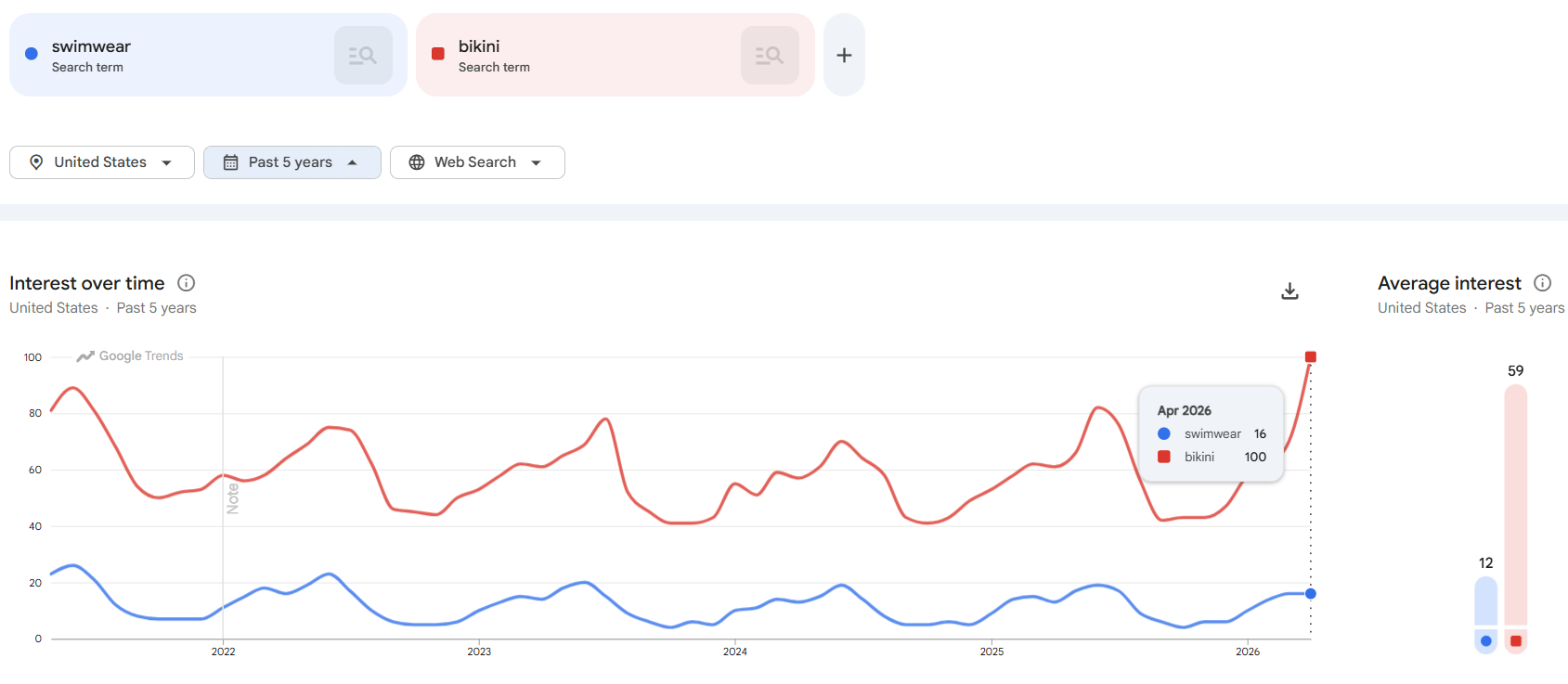
By mid-March, the “Summer Spike” isn’t just a graph on Google Trends; it’s a psychological clock. Unlike year-round niches, summer clothing is driven by deadlines—the flight to Ibiza, the weekend at the Hamptons, or the first pool party of June.
This creates a strong spike in purchase intent, especially in markets like the U.S. and Europe, where summer travel drives seasonal shopping behavior.
Lightweight Products with Strong Profit Margins
From swimwear and UPF-rated sun protection to sandals and sunglasses, most summer apparel is compact and lightweight, giving it a major advantage in cross-border shipping.
Check the weight: A typical bikini or mesh cover-up weighs between 100g and 250g. This isn't just "lightweight"; it's small-packet gold. It allows you to ship worldwide in flat, minimal packaging, keeping your fulfillment costs lean and predictable even during peak season surcharges.
At the same time, lightweight products are generally less prone to damage, compression, or shipping-related issues during transit. That means fewer delivery disputes, lower product loss rates, and reduced after-sales costs.
Perfect for Bundling and Higher AOV
Summer clothing shouldn’t be viewed as just another product category — it’s a complete and highly mature outfit-driven market.
Unlike kitchen gadgets or single-function products that customers purchase individually based on specific needs, shoppers buying bikinis are rarely looking for just one standalone item. What they really want is a complete beach-ready look — an outfit that fits the summer vacation vibe and feels effortlessly “Instagram-worthy.”
And this is exactly where the opportunity becomes especially valuable for dropshipping sellers.
Instead of selling products one by one, you can bundle swimwear with matching accessories, sandals, sunglasses, beach bags, or cover-ups to create coordinated summer outfits.
This approach significantly boosts AOV and helps customers solve their styling problem in one purchase. In other words, you’re not simply selling clothing, you’re selling a complete summer lifestyle experience.
Easy to Build a Lifestyle Brand Around
The long-term core advantage of apparel dropshipping lies in its ability to build your own brand based on a specific lifestyle.
Summer fashion aligns with beach vacations, casual travel, and social media-driven aesthetics, making it easier for sellers to establish emotional resonance with consumers. By maintaining a consistent visual identity and clear brand storytelling, your store can gradually evolve into a lifestyle brand with its own positioning and style.
This is where SourcinBox becomes a reliable partner for brand building. SourcinBox connects dropshippers directly with apparel manufacturers while supporting customization services, including logo printing, private labeling, custom packaging, and minor design adjustments.
Through print-on-demand or private labeling, you can turn ordinary summer products into unique branded items that enhance customer appeal and strengthen brand differentiation. SourcinBox helps dropshippers build a more sustainable and long-term apparel dropshipping business.
The Profit Model Behind Successful Clothing Dropshipping Stores
Successful summer clothing dropshipping stores are not built on random product selection — they operate on a clear, structured profit system.
The pyramid below illustrates how top-performing stores organize their product mix to balance traffic, profit, and scalability.
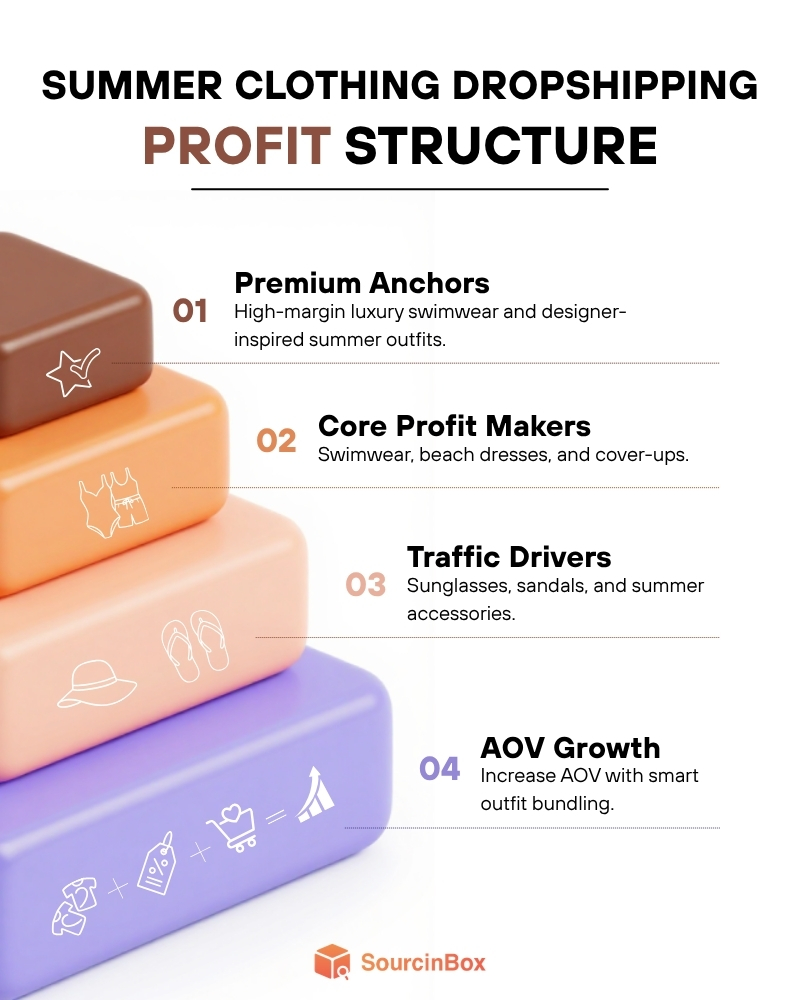
At the top of the model are Premium Anchors, high-ticket products that strengthen brand positioning and increase per-order profit. These items align with growing demand for lifestyle-driven, vacation-inspired summer aesthetics.
Below that sit the Core Profit Makers, which form the main revenue engine. This layer benefits from strong demand for vacation-ready and functional fashion, including swimwear, cover-ups, and sun-protective clothing that combine style with practicality.
The next layer is Traffic Drivers, low-ticket products that attract new customers and generate initial conversions. In 2026, this layer is supported by the rise of accessory-led styling on social media, where affordable items like sunglasses, earrings, and beach accessories help complete full summer looks.
At the base of the model are Bundle Boosters, which increase AOV by combining multiple items into complete summer outfits, aligning with consumers’ growing preference for ready-to-wear looks rather than single-item purchases.
10 Best Summer Clothing Dropshipping Products for 2026
Building on the profit pyramid model, it becomes clear that cross-border product selection is not about chasing trends but about strategic portfolio planning.
To help dropshippers capture the 2026 summer season, we analyzed Google Trends, TikTok, and supply chain insights from SourcinBox to identify 10 high-potential summer clothing products.
These products cover the full profit structure — from traffic drivers to core profit makers and premium items — ensuring both strong demand and scalable margins. Now, let’s take a closer look at the 10 summer clothing products worth your attention.
Summer Jewelry
As the weather heats up, so do the jewelry trends. Searches typically begin in March and accelerate through July. Consumers actively seek pieces that coordinate with swimwear and beach outfits. Whether dressing up or down, these standout pieces will add the perfect finishing touch to your summer wardrobe.
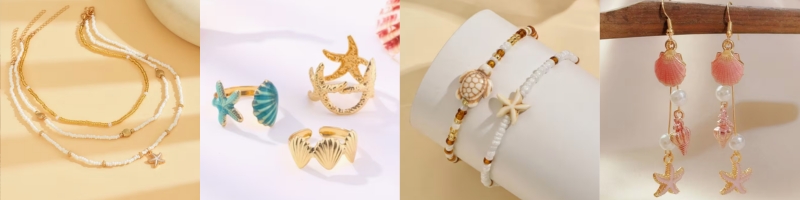
Summer jewelry combines low shipping costs with high profit potential, making it an ideal category for cross-border dropshipping operations.
When sourcing products, prioritize waterproof and tarnish-resistant materials to improve product durability, reduce customer complaints, and enhance the overall shopping experience.
UPF 50+ Sun Protective Clothing
Growing consumer awareness around sun protection continues to drive strong demand from beachgoers, outdoor enthusiasts, and family-oriented shoppers. The U.S. UPF sun protective clothing market size was estimated at $706.3 million in 2023. UPF 50+ rash guards represent the intersection of functionality and fashion in summer 2026.
As a popular category within functional outdoor apparel, sun protection clothing offers significant pricing power and profit potential thanks to its performance-focused fabrics and strong lifestyle across both adult and kids’ markets.
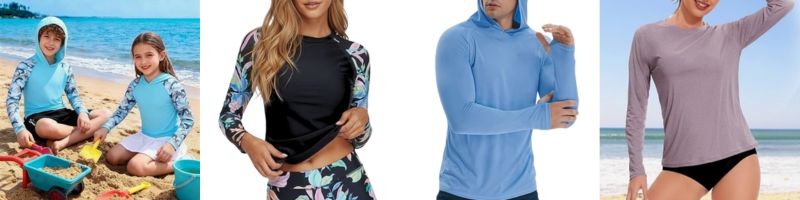
Furthermore, sun-protective clothing is a type of everyday wear-and-tear clothing. After long-term wear and repeated washing, it is prone to aging and deformation, and its sun protection function will decrease. Consumers will repurchase regularly, bringing dropshippers a stable source of repeat customers.
Sunscreen clothing has a long lifespan and is a year-round necessity, not just limited to summer. Unlike short-lived trendy items, its popularity doesn't fade quickly. Demand extends across multiple seasons through outdoor activities, travel, sports, and everyday commuting, making it a more stable and long-term revenue category for e-commerce stores.
One-piece Swimsuits
One-piece swimsuits maintain high profit margins largely due to their simple structural design, streamlined manufacturing process, and controllable production costs. The global one-piece swimsuit market size reached $5.9 billion in 2024, with a robust CAGR of 6.4% projected from 2025 to 2033.
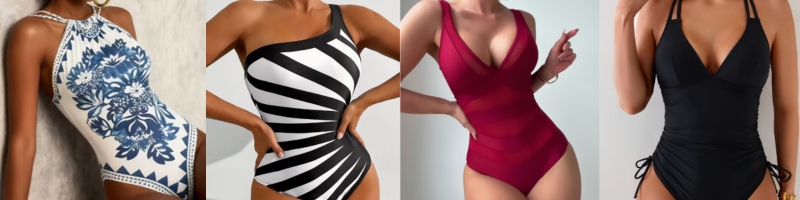
With seasonal updates to design and style, one-piece swimwear can achieve year-round sales and flexibly keep up with fashion trends, preventing it from being easily eliminated by the market. In addition, Terry and cotton are currently among the top trending materials for swim cover-ups.
At the same time, one-piece swimwear has a wide audience, catering to consumers of all ages. Whether for professional swimmers or casual beach travelers, demand remains consistently strong across both groups, helping the category maintain a stable, long-term market position.
Bikini Sets
Bikini sets represent the highest-volume swimwear category, offering extensive styling and sizing opportunities. The global swimwear market was valued at $22.95 billion in 2025. The market encompasses everything from basic triangle sets to elaborate designs with multiple component pieces.
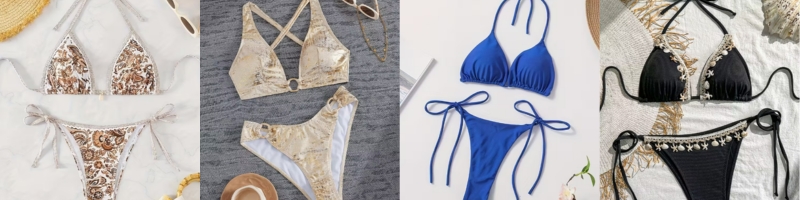
This category thrives on visual content marketing, with social media platforms driving discovery and influencing purchasing decisions.
Bikinis aren't just a summer hit; they track with vacation trends and continuously evolve with global fashion. The result? Steady demand year‑round. That’s why bikinis are one of the few “evergreen” products in the summer clothing dropshipping niche.
Men's Swim Trunks
The evolving fashion trends and styles in men's clothing drives the demand for men’s swimwear. The global men’s swimwear market size was valued at $4.97 billion in 2023 and is projected to reach $7.78 billion by 2030.
Rising participation in water sports and beach activities continues to fuel steady demand, while evolving fashion trends keep the category fresh and appealing for returning customers.
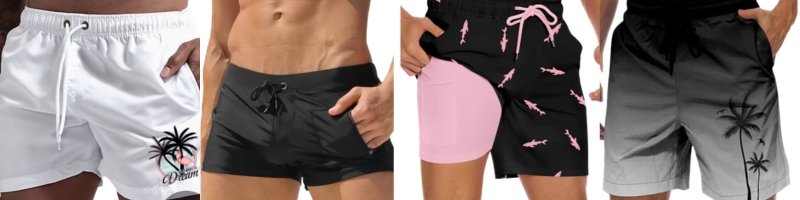
Logistical advantages include standardized sizing and relatively simple packaging requirements. Successful dropshippers focus on fabric innovation and design details that justify premium pricing, such as quick-drying technology, UPF protection, and enhanced pocket functionality.
Even more importantly, men’s swim trunks typically see lower return rates than women’s swimwear, due to more predictable and standardized sizing expectations.
If you'd like to customize men's swim trunks, click here to contact your customer manager.
Kids Swimsuit
Children’s swimwear represents a specialized category with unique operational considerations.
Parents prioritize quality and sun protection features, creating opportunities for premium positioning. Sizing complexity requires detailed size charts and age-based categorization, while safety concerns influence purchasing decisions.
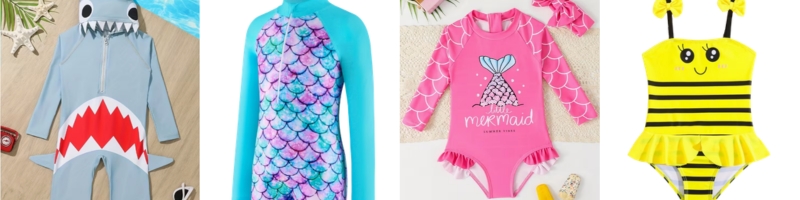
Kids’ swimsuits show strong repeat purchase behavior, as children quickly outgrow their swimwear each year. Seasonal preparation timing aligns with academic calendars, with peak demand occurring in late spring before summer vacation.
Mesh Cover-Ups
Cover Ups Market size was valued at $12.5 billion in 2024 and is projected to reach $20.3 billion by 2033, exhibiting a CAGR of 6.4% from 2026 to 2033.
Mesh cover-ups are functional and fashionable — easy to style from simple sarongs to embellished tunics. The category stays fresh with new textures and silhouettes each season.
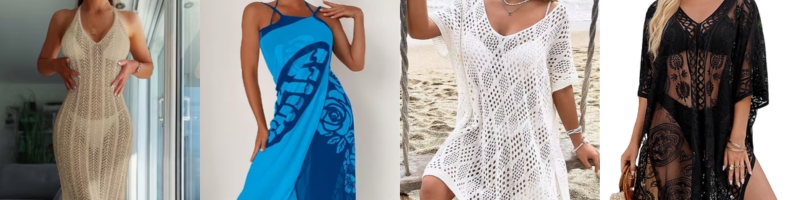
Operationally, they're light and pack flat. That keeps shipping costs low and predictable.
Successful dropshippers focus on fabric quality and versatility, positioning cover-ups as beach‑to‑town essentials. They also cross‑sell with swimwear and footwear — natural bundle opportunities that increase AOV.
Loose Beach Dresses
Interest in beach vacations and water activities continues to grow. Beach dresses remain popular thanks to seasonal updates in colors, styles, and designs, enabling year-round sales.
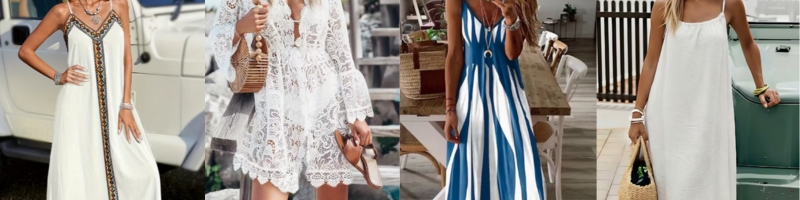
Market data also shows strong performance. On Amazon, top beach dress listings usually sell around 8,000–15,000 units per month, with bestsellers exceeding 15,000 units. On Temu, popular items typically sell 5,000–10,000 units monthly, and peak-season sales can go beyond 20,000 units.
Dropshippers can focus on wrinkle-free and breathable fabrics (like chiffon or linen) to improve customer satisfaction and reduce return rates.
Summer Footwear
Summer footwear includes sandals, flip-flops, and casual shoes, mainly designed for beachwear and everyday summer outfits, showing clear seasonal demand patterns.
Search interest in “toe ring sandals” is currently at an all-time high, with a 430% increase over the past month, making it one of the most popular styles right now.
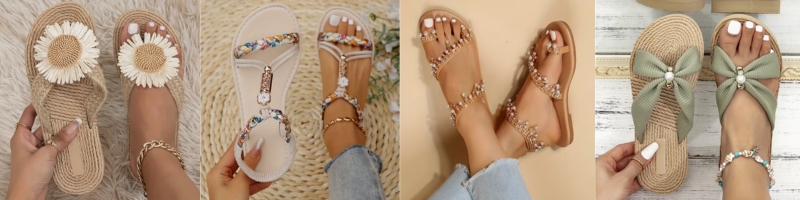
When selecting summer footwear, sizing friendliness should be a key consideration. Different styles vary in sizing standards, so it is better to prioritize items with lower return risk.
For dropshippers, bundling footwear with swimwear or beachwear can effectively increase AOV. At the same time, providing clear and accurate size information is essential for reducing return rates.
Quick-Drying Swimming Shoes
Quick-dry water shoes are a fast-growing functional category that includes water shoes, water socks, and hybrid drainage-style designs.
This product has a natural lightweight advantage, with a compact structure and small packaging, which significantly reduces cross-border shipping costs.
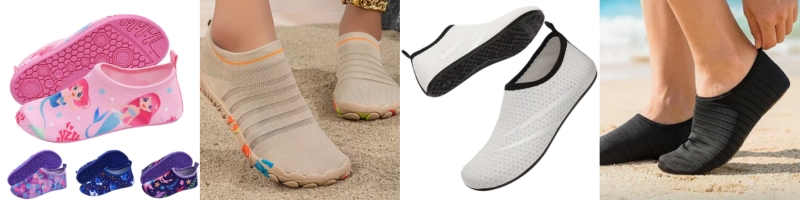
Successful dropshippers usually highlight key performance features such as anti-slip grip, abrasion resistance, reef protection, and fast-drying drainage. Thanks to its strong functional value and clear real-life use cases, quick-dry water shoes also offer healthy pricing flexibility and strong profit margins.
In addition, quick-drying swimming shoes pair well with swimwear and beachwear, making them highly suitable for bundling strategies to increase AOV.
How to Reduce Return Rates in Clothing Dropshipping
Earlier, we reviewed 10 high-potential summer clothing dropshipping products for independent store owners—from swimwear and beach dresses to sun protection clothing. These categories are clear drivers of summer traffic. However, many dropshippers quickly discover a frustrating reality after launch: sales go up, but return rates rise just as fast.
Why is summer clothing dropshipping so easy to get wrong?
The answer is simple: customers cannot touch, try, or feel the product. They rely entirely on images and size charts when making decisions. Once the real product does not match expectations in color, fit, or fabric feel—or simply does not fit properly—returns become unavoidable. Even worse, cross-border return shipping often exceeds the product value, resulting in inventory returns and additional financial losses for dropshippers.
So the real question is: how can you reduce return rates without hurting conversions?
Below are three practical strategies that can significantly reduce returns in summer clothing dropshipping while improving profitability.
Prioritize Adjustable Designs
Product selection is the first and most important lever. Many dropshippers focus only on style but ignore whether a design has built-in flexibility.
Adjustable designs include:
- Adjustable straps (bikinis, tops, dresses)
- Tie-back or wrap closures (waist or back ties)
- Elastic waistbands (shorts, skirts)
- Multi-way or convertible styles
These designs provide natural “fit tolerance,” meaning customers do not need perfect sizing to feel comfortable. This is especially important for swimwear and summer dresses, where sizing issues are one of the main causes of returns.
Pro tips:
When sourcing products, prioritize items with adjustable features. You can explore more summer-ready clothing sourcing solutions on our marketplace page.
Even if the cost is slightly higher, they often achieve 30%+ lower return rates compared to fixed-size products. Highlight “adjustable design” clearly on your product page to improve both conversion and post-purchase satisfaction.
Implement Hyper-realistic Size Charts
If your size chart only shows S/M/L with basic bust, waist, and hip measurements, high return rates are almost guaranteed.
A complete size chart should include:
- Multi-point measurements: bust, waist, hips, shoulder width, and, for swimwear, also underbust and torso length.
- Fabric and stretch: clearly label “no stretch,” “slight stretch,” or “high stretch.”
- International size conversion: US, UK, EU, and Asian sizing clearly matched.
- Visual references: 2–3 models with different body types wearing S, M, and L, including real height and weight
A visual size guide is often more effective than long measurement tables.
Pro tips:
Do not copy supplier size charts—measure samples yourself. Add a “How to Measure” diagram or short video near the size chart. Place size information directly under product images instead of hiding it in tabs.
Use Video Fit Guides
Photos can be edited, but real movement cannot. Video try-on guides are one of the most effective tools for reducing return rates because they answer real customer concerns:
- Does the dress ride up when walking?
- How stretchy is the fabric in real use?
- How revealing is the back design?
- How does the neckline actually sit on the body?
Your video guide should include:
- Natural movement (walking, turning, sitting, stretching)
- Multiple body types wearing the same product
- Close-up shots of fabric texture, stitching, and transparency
- Short format (30–60 seconds), optimized for mobile viewing
Pro tips:
You don’t need professional production. A smartphone, natural light, and a clean background are enough. Authenticity matters more than perfection. Place the video in the product gallery or a dedicated “try-on section.” If samples are unavailable, request raw footage from suppliers—many can provide it.
Short clips (15–30 seconds) can also be repurposed for TikTok, Instagram Reels, or YouTube Shorts to drive traffic and set accurate expectations early.
Extra Tips: Return Policy
Two often overlooked but highly effective strategies:
1. Clear return policy boundaries
Allow returns, but avoid fully “no questions asked” policies. For example, require customers to cover return shipping or use a designated return warehouse. This helps reduce impulsive or low-intent purchases. You can also refer to SourcinBox’s return policy framework for dropshipping stores.
2. Proactive size assistance
Before purchase, use live chat or automated messages to ask for height and weight, then recommend the correct size. Even one extra interaction can significantly reduce size-related returns.
Reducing return rates in summer clothing dropshipping is not about restricting customers; it is about managing expectations more effectively.
Start with three actions today:
- Review your product catalog and prioritize adjustable designs
- Rebuild accurate size charts with real measurements and visuals
- Add try-on videos (even phone-shot content is enough)
If you apply these consistently, you will see lower returns, higher customer satisfaction, and stronger long-term profitability. As the summer peak season arrives, better operations protect your margins.
Start Your Summer Clothing Dropshipping Business with SourcinBox
Trends in summer clothing dropshipping typically emerge 3–4 months ahead of peak season, and by the time most dropshippers react, the market is already crowded. The winners are not the luckiest stores, but the ones that prepare early.
This is exactly where SourcinBoxhelps dropshipping store owners gain an edge.
Whether you are launching your first store or optimizing an existing summer product line, SourcinBox helps you:
➪ Identify upcoming winning summer product trends earlier
➪ Connect with experienced and reliable apparel suppliers
➪ Plan inventory and product launches with more control and less risk
In dropshipping, opportunities don’t wait until you’re ready. The difference between average and successful stores often comes down to timing and execution.
Start preparing your summer season now with SourcinBox and turn this summer into a real growth breakthrough for your store.
FAQs
1. Is summer clothing dropshipping still profitable in 2026?
Yes. Summer clothing dropshipping is still profitable in 2026 due to strong seasonal demand, lightweight logistics advantages, and growing outdoor and vacation-related consumption. Profitability depends on choosing high-margin niches, reducing return rates, and optimizing product bundling to increase AOV.
2. How do I handle sizing issues with swimwear dropshipping?
Use detailed size charts based on actual body measurements – not just S/M/L. Add fit notes like “runs small” or “true to size” to guide customers. Real customer photos or try‑on images also help. Most importantly, set clear expectations in your product descriptions to avoid post‑purchase surprises.
3. How can I reduce return rates in clothing dropshipping?
Focus on three areas: adjustable designs, precise size charts with real measurements, and video try‑on content. Also, improve product descriptions and offer proactive size guidance before customers buy. This helps prevent mismatched expectations and lowers return rates.


Share Article: