Dropshipping vs. Reselling: What's the Difference?

SIB Content Team
You might be wondering: Are dropshipping and reselling the same eCommerce fulfillment model? If not, what’s the difference between dropshipping and reselling? Which one is more profitable? Which is the better choice for your business? Which model is right for you?
Don’t worry—we’re here to clear things up. In this article, we’ll break down the key differences between dropshipping and reselling, helping you understand the core logic behind dropshipping and reselling. Let’s start with the basics.
Table of Contents
What is Dropshipping?
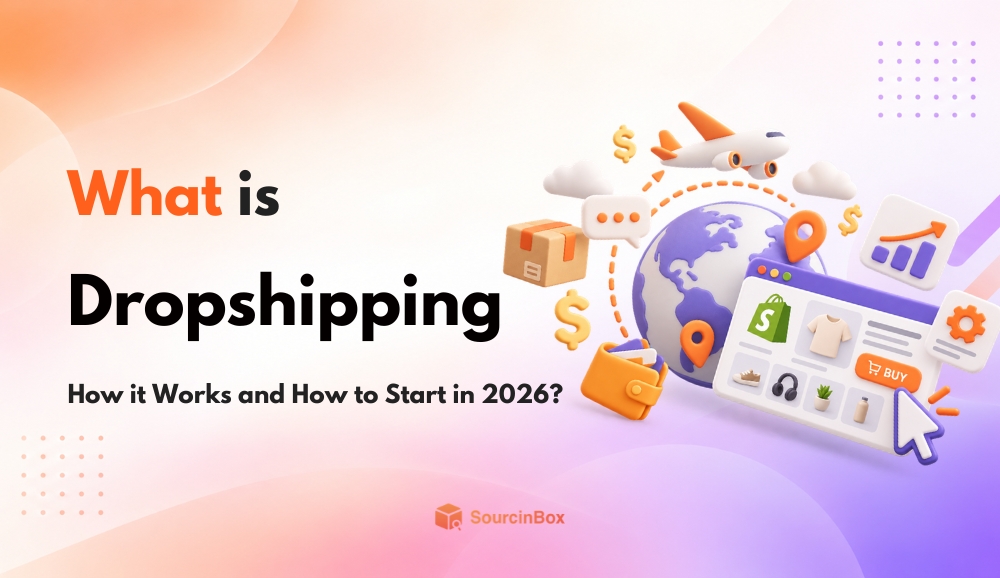
Dropshipping is a retail fulfillment method where online stores sell products without keeping them in stock. When a customer places an order, the dropshipper forwards it to a dropshipping supplier, who then ships the product directly to the end customer.
In dropshipping, the online seller manages the storefront, marketing, pricing, and customer service, while the supplier or fulfillment partner stores inventory and ships orders.
How Does Dropshipping Work?
After dropshippers set up their store, select products, and upload listings, the core workflow typically involves three main steps:
Step 1: Receive Customer Orders
Customers browse your store, select the products they want, and complete the checkout process.
Step 2: Forward Orders to Supplies/Dropshipping Agents and Complete Purchase
After verifying the customer’s order, dropshippers forward the orders to the partnered third-party supplier or dropshipping agents. At the same time, dropshippers should issue the corresponding purchase order to the supplier and complete the purchase payment.
Step 3: Supplier Handles Shipping and Delivery
Once the supplier receives the purchase order and relevant details, they dispatch the product directly from their warehouse and ship it to the end customer, thereby fulfilling the order.

Is Dropshipping Profitable in 2025?
Is dropshipping still profitable in 2025? As an experienced dropshipping agent, SourcinBox can confidently say, "Absolutely yes."
1. Search Volume for “Dropshipping” Increased by 124% Compared to the Same Period Last Year (July 2025)
Global interest in dropshipping is on the rise. Compared to July 2024, search volume for “dropshipping” surged by 124% in the same period of 2025.

Dropshipping not only aligns with consumers’ growing demand for a convenient shopping experience but also lowers the barrier to entry for small and medium-sized businesses. By serving as an efficient bridge between the supply chain and end consumers, dropshipping is further driving the diversification of the global e-commerce landscape.
2. The Global Dropshipping Market Continues to Expand
The global dropshipping market is steadily growing, with an expanding base of potential customers. According to Analyzify, the global dropshipping market size is projected to hit $467.1 billion by 2026, with a CAGR of 28.8%. Dropshipping stores generate 50% more profit than those relying solely on their online inventory.
The North American dropshipping market held a revenue share of nearly 33.0% in 2024. The U.S. dropshipping market is expected to grow significantly at a CAGR of 20.2% from 2025 to 2030. The ongoing expansion of the global e-commerce market offers vast growth opportunities for the dropshipping business.
3. Dropshipping Model Yields Considerable Profit Margins
Dropshipping shows a clear advantage in profitability, offering considerable profit margins. According to Analyzify, dropshipping stores generate 50% more profit than those relying solely on their online inventory. And dropshipping is 15 times more profitable than affiliate marketing. What’s more, dropshipping can increase retailers’ profit margins by 50%.
As long as you choose winning products, target a niche market, and work with reliable suppliers to ensure product quality, dropshipping will continue to be a profitable and promising business in 2025 — especially when executed with the right strategy.
Pros and Cons of Dropshipping
To help you better understand the pros and cons of dropshipping, we’ve put together a comparison table for your reference.
For more information: 《What Is Dropshipping? —The Most Complete Beginner's Guide》
| Pros | Cons |
|---|---|
| Low Startup Costs | Little Control over Supply Chain |
| No Inventory Management | Customer Service Challenges |
| Access to More Products | High Advertising Cost |
| Easy to Scale Up | Harder to Build a Brand |
| Work from Anywhere |
Table: Pros and Cons of Dropshipping
Dropshipping is a beginner-friendly and highly flexible business, making it ideal for new dropshippers. However, it also comes with challenges. Understanding the pros and cons of dropshipping will help you determine whether dropshipping is suitable for your e-commerce development path.
Dropshipping Examples
SourcinBox is your trusted all-in-one dropshipping agent. SourcinBox offers comprehensive product coverage — from home goods and pet accessories to camping gear and ski equipment — all available for one-piece fulfillment.
SourcinBox also helps you stay ahead during high-traffic seasons, such as Labor Day, Valentine's Day, and Back-to-School, offering fast product sourcing and marketing support to grow your dropshipping business.
CLICK HERE to learn more about SourcinBox: How to Work with SourcinBox
Let's take a look at two classic dropshipping examples.
1. Back-to-school Dropshipping
The back-to-school season brings a golden dropshipping opportunity from mid-July to early September. The winning products, such as backpacks, fun stationery, and multifunctional pencil pouches, are experiencing strong sales.
See details: Top Back-to-School Supplies for Dropshipping in 2025.
2. The Doll Accessories
The doll accessories are known for their high repurchase rates, strong customer loyalty, and emotional appeal. It is fit for dropshipping. Dropshippers can capitalize on popular IPs like Labubu, Molly, and Dimoo by offering related products such as display stands, storage boxes, apparel accessories, and mini furniture.
This strategy not only boosts customer engagement but also increases average order value.
Read more: Niche Dropshipping Goldmine: The Doll Accessories Market Inspired by IP Toys.
For a detailed guide on how to start a dropshipping business, you can refer to:
What is Reselling
Reselling refers to purchasing products from wholesalers, brands, or other sellers, holding inventory, and then selling those products to customers through your channels—such as e-commerce platforms, social media, or physical stores.
As a professional dropshipping agent, SourcinBox also supports wholesale sourcing. Whether you need wholesale goods shipped directly to your warehouse, delivered to your customers, or temporarily stored at SourcinBox’s warehouse, we provide comprehensive logistics support and solutions.

Reselling, as a more traditional business model, centers on purchasing and holding inventory—primarily branded products—and generating profit through sales. To succeed as a reseller, the key lies in sourcing winning products at prices lower than the general market rate, creating room for profitable reselling.
How Does Reselling Work?
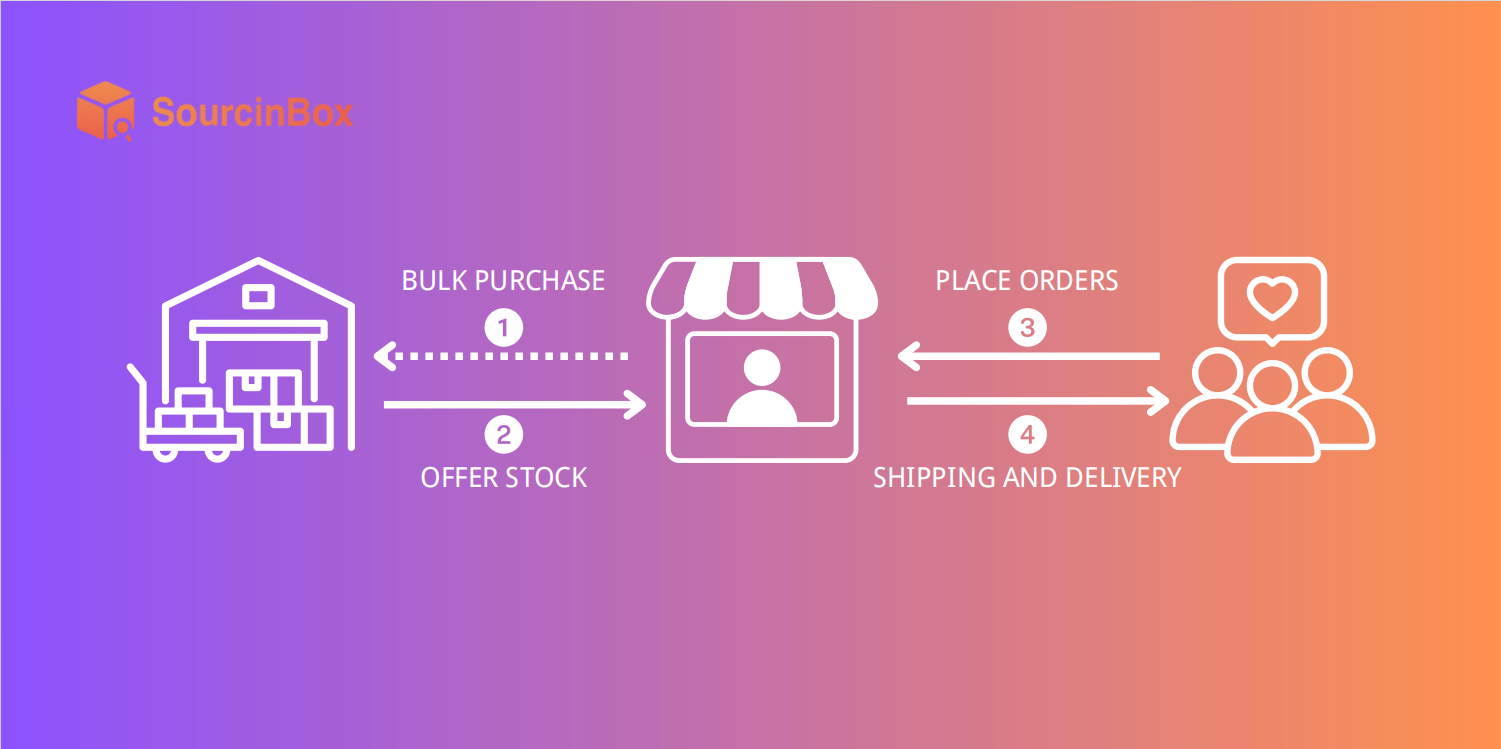
The reselling workflow typically involves four key steps:
Step 1: Bulk Purchasing
You begin by partnering with suppliers and purchasing products in large quantities at wholesale prices, based on market demand and your sales strategy.
Step 2: Inventory Management
After the supplier fulfills your purchase order, you should conduct a QC on the products. Once verified, organize and store them accordingly in your warehouse.
Step 3: Receive Customer Orders
Customers place orders through your online store, physical shop, or other sales channels.
Step 4: Shipping and Fulfillment
Upon receiving an order, you retrieve the item from your warehouse, package it, and handle the shipping and delivery process yourself.
Is Reselling Legal?
Overall, reselling is legal in most countries. As long as you purchase products legally and then sell them, you’re typically not violating any laws.
In the United States, the First Sale Doctrine allows buyers to legally resell products they have lawfully purchased. Once you’ve legally acquired a product, you own it—and you’re free to resell it without needing permission from the original seller or copyright holder. This legal principle protects the legitimacy of the reselling business model.
Still, here are a few things you should watch out for:
1. Do Not Counterfeit or Misrepresent Brand Trademarks
When reselling, it’s essential to use trademarks and copyrighted materials appropriately. Do not use brand logos or trademarks without permission, as unauthorized use may lead to trademark infringement.
2. Do Not Resell Restricted Products
Some products, such as pharmaceuticals, patent-protected products, or software licensed products, may have sales restrictions. In such cases, explicit authorization for reselling is required.
3. Follow Platform Policies and Tax Regulations
Different e-commerce platforms (like eBay or Amazon) may have specific rules. Violating these policies could result in account suspension. Additionally, running a reselling business should pay tax in accordance with the law.
Pros and Cons of Reselling
To help you clearly understand the pros and cons of reselling, we've prepared a comparison table for your reference.
| Pros | Cons |
|---|---|
| Higher Profit Margins | Higher Startup and Operational Costs |
| Faster Shipping | Must Handle Warehousing, Packaging, and Fulfillment |
| Easier to Build Brand Credibility | Risk of Market Sturation |
| Flexible Sales Channels | Price Competition |
| Inventory Risks | |
| Harder to Scale Up |
Table: Pros and Cons of Reselling
Reselling offers notable advantages in terms of profit autonomy and market flexibility. By leveraging well-established brands, it significantly lowers the barrier to entry for entrepreneurs.
However, it also comes with key challenges — including high capital requirements, inventory risks, and heavy reliance on both suppliers and brand owners. Overall, reselling is a double-edged business model.
Reselling Examples
Reselling comes in many forms, ranging from secondhand goods reselling to vertical reselling in specific niches.
Among them, popular segments include secondhand items, blind boxes, tickets, and SEO service reselling. Let’s take a look at two popular examples: Labubu and SEO service reselling.
1. Labubu Reselling
Labubu reselling is a typical example of the blind box reselling model. Resellers purchase limited-edition blind boxes, stockpile them, and then resell at a premium to collectors or buyers who missed out.
The profit margins stem from scarcity, community buzz, and emotional appeal. However, resellers also face risks such as counterfeit products, as well as costs related to warehousing and shipping.
2. SEO Reseller Service
SEO Reseller Service is a service-based reselling model. You offer SEO services to clients under your brand, while all technical tasks—keyword research, on-page optimization, content creation, link building, and monthly reporting—are handled by a third-party specialist provider.
Dropshipping vs. Reselling: Which One is Better? Is it Right for You?
In a way, dropshipping can be seen as a form of reselling. Reselling broadly refers to the business model of selling products sourced from others for profit, encompassing various approaches. Dropshipping is a specific type of reselling that differs from traditional reselling by not requiring physical inventory storage.
3 Main Differences between Dropshipping and Reselling
The core operational differences between dropshipping and reselling mainly lie in three key areas: inventory management, shipping and fulfillment, and startup costs.
1. Inventory Management
Dropshipping operates on a “zero-inventory" sales model, where dropshippers are not required to maintain a warehouse or stock any products. All inventory storage and management are handled entirely by the supplier. This effectively eliminates the risk of overstock and unsold inventory.
In contrast, traditional reselling requires resellers to purchase and stock products in advance, and they have to bear the pressure of inventory storage and turnover on their own. This model exposes resellers to financial and operational risks, especially when market demand fluctuates and products fail to sell as expected.
2. Shipping and Fulfillment
In dropshipping, dropshippers only need to focus on product selection and marketing. Once an order is placed, the entire fulfillment process—from packing to shipping to the end customer—is handled by the supplier.
While reselling requires resellers to take full control of the fulfillment process, including packaging, selecting the shipping method, and managing returns or exchanges.
3. Start-up Costs
The dropshipping model has a relatively low entry barrier. Since there’s no need to pre-purchase inventory, rent warehouse space, or hire logistics staff, dropshippers can launch their online business with minimal capital investment.
In contrast, reselling typically requires a higher initial investment. Resellers must purchase products in bulk, tying up capital. Additional costs may include warehouse rental, inventory management systems, and labor expenses—placing greater demands on available funds.
Is Dropshipping or Reselling Right for You?
Both dropshipping and reselling have their pros and cons. Which model is right for you?
Dropshipping might be the best fit for you if:
- You have a limited startup budget.
- You don’t want to manage inventory.
- You don’t want to handle shipping yourself.
- You prefer flexible, remote work.
- You’re good at online marketing and content construction.
READ MORE: What Is Dropshipping? —The Most Complete Beginner's Guide
In contrast, reselling might be fit for you if:
- You have sufficient capital.
- You aim for higher short-term profits.
- You can handle inventory and product fulfillment.
- You have the resources (people, space) to manage storage and logistics
| Criteria | Dropshipping | Reselling |
|---|---|---|
| Startup Budget | Limited | Ample |
| Inventory Management | No inventory needed | Need to purchase and store inventory |
| Risk Tolerance | No worry about unsold inventory or tied-up capital | Willing to accept overstock risk in exchange for higher margins |
| Product Testing | Easy to test and rotate products quickly | Needs stock prep and QC |
Comparison Table: Dropshipping vs Reselling
There's no absolute “better” between dropshipping and reselling. The best choice depends on your resources, goals, and capabilities.
If you have enough capital, aim for faster profits, and can manage inventory risks, reselling might be the better fit. But if you prefer a low-risk and flexible business with minimal capital investment, dropshipping is your best choice.
Take time to evaluate your situation and find the path that aligns best with your strengths.
Welcome to Join SourcinBox
For beginners stepping into cross-border eCommerce, dropshipping is highly recommended. Its low barrier to entry and minimal risk make it ideal for learning and experimenting.
SourcinBox is an experienced dropshipping agent and sourcing supplier, connecting you with reliable manufacturers in China. Whether you’re running a dropshipping or private label business, we offer comprehensive services to elevate your business, including product sourcing, order fulfillment, quality control, product and packaging customization, and warehousing.
Sign up now and start dropshipping with SourcinBox!
Share Article: