Best Wigs and Hair Extensions to Dropship in 2026

SIB Content Team
Wigs and hair extensions remain a promising beauty dropshipping niche in 2026. In 2025, the global wig market reached $2.68 billion, giving online sellers more opportunities to expand their product lines in the growing beauty niche.
But successful wig dropshipping is not just about finding the cheapest supplier. Hair material, color accuracy, length, workmanship, customization options, delivery reliability, and after-sales handling all affect reviews and return rates. Dropshippers also need to understand what their target market actually wants before deciding which wigs and hair extensions deserve space in the store.
This guide focuses on three practical questions for dropshippers who want to source and sell wigs online, from finding suppliers to checking product details and planning fulfillment:
1. What types of wig dropshipping suppliers can you work with?
2. How do you choose a wig supplier that fits your store?
3. Which wigs and hair extensions are worth dropshipping in 2026?
Is Dropshipping Wigs Still Profitable in 2026?
Dropshipping wigs is still a niche worth paying attention to in 2026.
The global wig market is projected to grow from $2.68 billion in 2025 to $4.01 billion by 2034, with a CAGR of 4.67% from 2026 to 2034. Hair loss coverage and everyday wear drive steady demand, while social media and fashion styling keep opening up new use cases. Since wigs typically sell at higher price points and have strong bundling potential, they can offer attractive opportunities for sellers with the right products and positioning.
Social Media and Fashion Trends Drive Wig Demand
One reason wigs and hair extensions sell well is their fashion value. Consumers can change their hair length, volume, or color without cutting, bleaching, or committing to long-term chemical styling. A wig can support everyday looks, event styling, or a quick shift in personal image.
That visual transformation also works well for short videos and social media marketing. On TikTok, #wig content has already generated tens of billions of views, while niche hashtags such as #gluelesswigs, #wiginstall, and #syntheticwig continue to attract active interest.
North America is a major consumer market for wigs, accounting for 39.9% of the global wig market in 2025. Beyond daily styling, Halloween, cosplay, themed parties, and other event-based occasions also support demand for colored wigs, synthetic wigs, and special-style products.
Hair Loss, Chemotherapy, and Aging Support Steady Demand
The wig market does not rely only on fashion trends. For people dealing with hereditary hair loss, alopecia, hair loss after medical treatment, or thinning hair caused by aging, wigs are a common and practical way to improve appearance. Many buyers wear wigs to cover hair loss and maintain a more natural, confident look at work, in social settings, and in everyday life.
Hair loss after chemotherapy is a typical example. Statistics show that around 65% of chemotherapy patients experience some level of hair loss. Beyond the change in appearance, hair loss can affect mood and self-identity. For many people, wigs become an important way to manage that pressure.
For dropshippers, this makes wigs more than a short-term trend product. The niche is supported by long-term needs around hair loss coverage, daily wear, and personal image management. Dropshipping wigs has a real demand base behind it.
Premium Wigs and Product Bundles Increase Order Value
Compared with many low-ticket dropshipping products, wigs and hair extensions usually leave more room for higher selling prices.
By material, the two main categories serve different buyer needs. Human hair wigs look more realistic, can be dyed or heat-styled, and support customization. Human hair wigs are expected to account for 66.55% of the global market in 2026, making them popular among mid- to high-end buyers. Synthetic wigs are more affordable and easier to maintain, which makes them useful for new dropshippers testing colors, styles, and market demand with lower upfront risk.
For independent store sellers, lace front wigs, glueless wigs, pre-plucked wigs, and customized styles often bring higher average order values (AOV). Hair extensions, wig caps, care brushes, wig stands, and conditioning sprays can also be bundled with wigs to increase order value.
3 Main Supplier Sources for Dropshipping Wigs
For wig dropshipping sellers, the three most common sourcing options are online marketplace suppliers, direct wig manufacturers, and dropshipping agents. These sourcing options can supply wigs and hair extensions, but they differ clearly in product selection, customization flexibility, and supply chain management.
Online Marketplace Suppliers
Online marketplace suppliers are wig sellers or factories listed on platforms such as AliExpress, Alibaba, Amazon, and 1688.
These platforms are useful for dropshippers who are just starting to test the wig niche. You can search for lace front wigs, bob wigs, synthetic wigs, or clip-in hair extensions on these platforms, compare styles, prices, order volume, and reviews across stores, and test market response with a relatively low upfront cost.
The downside is that popular marketplace styles are often sold by many stores at the same time. Even when product photos and titles look similar, hair quality, density, color, lace workmanship, and actual length can vary from one seller to another.
Once a style starts generating steady orders, changing suppliers too often can lead to inconsistent product quality from batch to batch.
Direct Wig Manufacturers
Direct wig manufacturers are factories that produce wigs, hair wefts, extensions, and other hair products. Compared with marketplace sellers, factories usually offer more detailed specification options, such as hair length, density, color, curl pattern, cap size, lace type, and packaging.
If you already plan to sell human hair wigs, lace front wigs, glueless wigs, or braided wigs over the long term, working directly with a factory makes it easier to adjust product details. It is also more suitable for developing fixed styles and custom packaging.
Factories, however, usually do not manage every step for you. You need to confirm samples and specifications, follow production progress, and handle packaging, inventory, and shipping arrangements. If your store sells several types of wigs and hair extensions, you may also need to work with multiple factories, which adds communication and management costs.
Dropshipping Agents
Dropshipping agents can support dropshippers at different stages. New dropshippers can use an agent to find and compare sourcing options, while sellers with existing orders can use one to manage samples, packaging, inventory, and fulfillment in a more centralized way.
The wig supply chain often covers several product directions. One supplier may be stronger in human hair lace wigs, another may be better for braided wigs, while hair extensions and wig accessories may come from different suppliers altogether.
A dropshipping agent can match dropshippers with suitable wig suppliers based on target price, material, style, and store positioning. The agent can also help with sample confirmation, specification checks, custom packaging, and purchasing coordination. Since wigs involve details such as length, density, color, and lace specifications, an agent can help standardize communication, maintain batch consistency, and reduce the workload of managing several suppliers at once.
For sellers who want support throughout the sourcing and fulfillment process, working with an experienced agent can simplify daily operations.
Looking for wigs with specific hair materials, lengths, densities, colors, or packaging? SourcinBox can help you compare suppliers, confirm product details, customize packaging, and fulfill orders worldwide.
6 Best Wigs and Hair Extensions to Dropship
Based on common product styles across major e-commerce platforms, customer feedback, and social media content trends, the following six wig and hair extension categories are worth a closer look for dropshippers.
Lace Front Human Hair Wigs
Lace front human hair wigs are a good fit for mid- to high-end beauty stores or specialized hair stores. Straight, curly, and body wave styles can work as stable core products, while glueless lace front wigs and pre-plucked lace wigs are easier to market around convenience and fewer installation steps.
Popular products to consider:
- Straight lace front wigs
- Curly lace front wigs
- Body wave lace front wigs
- Glueless lace front wigs
- Pre-plucked lace wigs
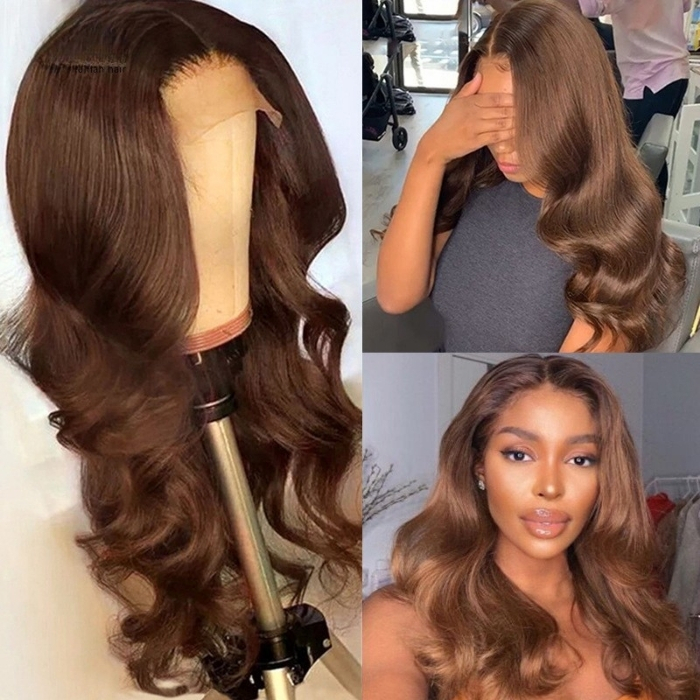
These products can raise AOV, but quality problems also create higher return costs. Before listing them, check hair quality, density, length, lace color, cap size, shedding, and tangling. Your product page should also state whether the wig is made with human hair, whether it can be dyed or heat-styled, and what features, such as glueless construction or a pre-plucked hairline, it actually includes.
Bob and Short Wigs
Bob and short wigs work well as everyday styles and casual fashion products. Compared with long wigs, short styles feel cleaner, are easier to wear, and require less daily maintenance, which makes them accessible to a wide range of buyers. Dropshippers can create before-and-after videos around the idea of trying short hair without cutting natural hair.
Hot-selling products:
- Short bob wigs
- Curly bob wigs
- Shoulder-length wigs
- Pixie-cut wigs
- Bob wigs with bangs

For these products, selling points should focus on face shape, usage scenarios, and outfit styling. Bob wigs with bangs can highlight face-framing effects, curly bob wigs can emphasize volume and a retro look, and pixie-cut wigs appeal to buyers looking for a clean, confident, and more personalized look.
Layered and Highlighted Wigs
Layered and highlighted wigs stand out because the visual change is obvious. They attract buyers who want a new hair color, more dimension, or a softer face-framing effect. Long layered blonde wigs, highlighted brown wigs, and balayage-style wigs are especially suitable for TikTok, Instagram Reels, Pinterest, and independent store landing pages.
Top products to dropship:
- Long layered blonde wigs
- Highlighted brown wigs
- Balayage-style wigs
- Wigs with bangs
- Face-framing layered wigs
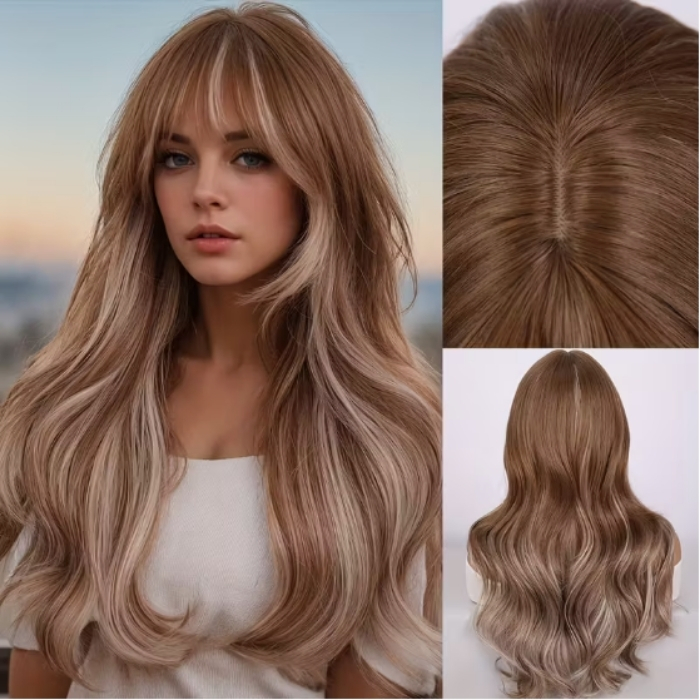
Color difference is the main risk with this category. Product photos, natural light, and indoor lighting may show different tones, and batches may not match perfectly. Use real photos whenever possible, and explain that lighting and screen settings can affect color display. This helps reduce returns caused by “not as pictured” expectations.
Heat-Resistant Synthetic Wigs
Heat-resistant synthetic wigs usually cost less than human hair wigs and come in more colors and styles. They are useful for new stores testing colorful styles, seasonal products, and lower-priced traffic-driving items.
Hot-selling products:
- Wavy synthetic wigs
- Straight synthetic wigs
- Curly synthetic wigs
- Colored synthetic wigs
- Cosplay wigs
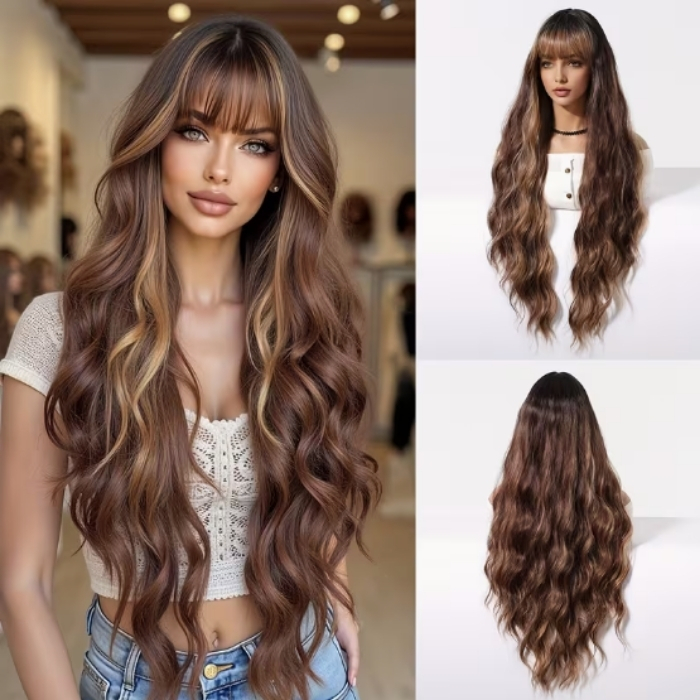
Wavy, straight, and curly synthetic wigs can cover everyday styling needs, while colored synthetic wigs and cosplay wigs are better suited for Halloween, parties, anime conventions, short-video shoots, and themed events.
Before listing these products, confirm the heat resistance temperature and which styling tools can be used. Different suppliers define “heat-resistant” differently. Some wigs can only handle lower temperatures, and some are not suitable for frequent curling or straightening. Make care instructions clear on the product page, and avoid risky claims such as “can be freely dyed or heat-styled.”
Easy-to-Wear Hair Extensions
Easy-to-wear hair extensions are a useful add-on category for wig stores, and they can also be sold as low-barrier hair styling products on their own. They can be bundled with wigs, wig caps, hair brushes, and care tools to increase AOV.
Trending products to dropship:
- Clip-in bangs
- Clip-in hair extensions
- Ponytail extensions
- Halo hair extensions
- Wire hair extensions
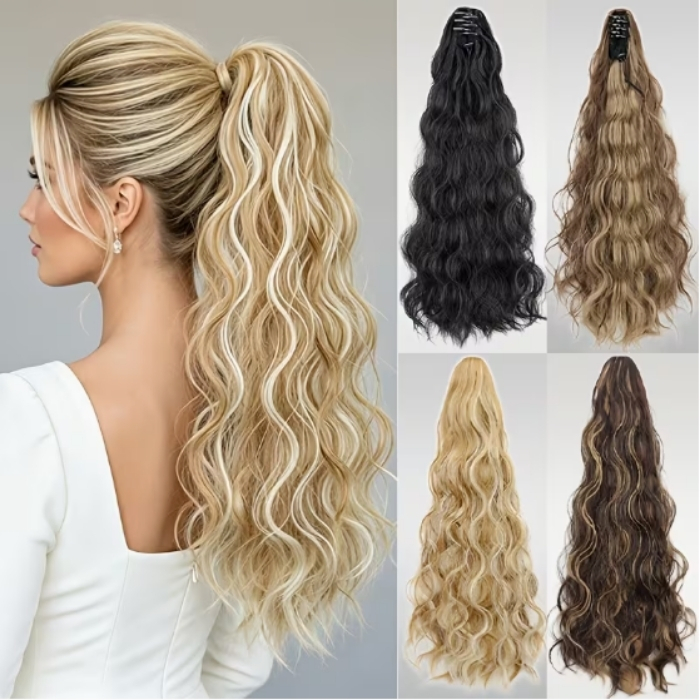
When choosing these products, check color matching, clip strength, wearing comfort, and actual hair volume. Adding a color guide and wearing tutorial to the product page can reduce returns caused by wrong color choices or installation difficulties.
Braided Wigs and Dread Extensions
Braided wigs and dread extensions (also known as dreadlock extensions) serve more specific style needs. They are a good fit for sellers who want to expand into protective styles or build a more niche hair store. These products have strong visual recognition, making them suitable for TikTok, Instagram Reels, and other visual content channels.
Best products to dropship:
- Box braid wigs
- Faux locs wigs
- Dreadlock wigs
- Dreadlock extensions
- Twist wigs
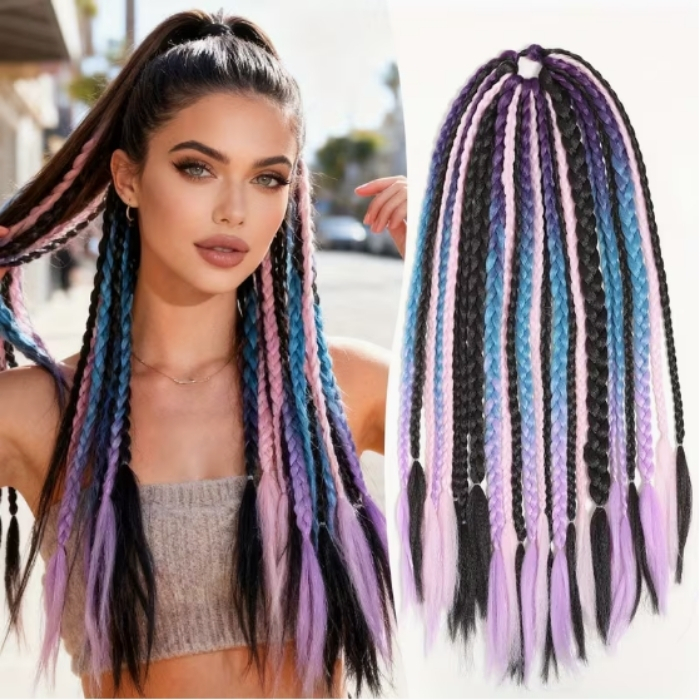
Content marketing for this category can focus on quick styling, protective styles, and personal expression. During product selection, make sure the product name, photos, and actual style match closely to avoid returns caused by mismatched expectations.
3 Tips to Successfully Dropship Wigs
Once you have selected the right wigs and hair extensions, the next step is to make sure your products, suppliers, and store experience can support long-term sales. The following three tips can help you reduce common dropshipping risks and run your wig business more steadily.
Choose a Reliable Wig Dropshipping Supplier
When choosing a supplier, do not rely only on product photos and prices. Wigs are highly quality-sensitive products. A good sample does not guarantee that every later batch will stay consistent. If your customers receive wigs with insufficient density, color differences, frizzy ends, or easy tangling, your store reviews may suffer quickly.
Before confirming a supplier, pay close attention to these details:
For independent store sellers, a reliable supply chain matters a lot. Suppliers can differ in hair quality, pricing, customization ability, and fulfillment stability. If you do not have time to contact and test each supplier one by one, working with a dropshipping agent can be a practical option. SourcinBox helps sellers source products, compare suppliers, check sample quality, and assist with purchasing, packaging, and fulfillment after supplier selection.
Create Product Listings That Match Customer Expectations
For wigs, vague claims such as “natural” or “high quality” are not enough to help shoppers make a buying decision. Buyers care more about specific details and real results, including hair material, length, density, lace type, wearing method, and how the wig looks on a real person. Clear product information reduces hesitation and can improve conversion rates.
For example, a product page for lace front human hair wigs should clearly show:
- Hair material, such as 100% human hair
- Hair length and density
- Lace type and size
- Cap size and construction
- Hairline details, such as a pre-plucked hairline
- Wearing and styling features, such as a glueless design and part style
- Real-life photos and videos, such as on-model results and hairline close-ups
Your product page should also mention possible screen color differences, manual measurement variation, and length changes after curly hair is stretched. For higher-priced wigs, care instructions and usage tips help buyers set the right expectations before purchase.
Increase Average Order Value with Product Bundles
Selling one wig at a time is not the only approach. For wig stores, bundling related products can raise order value while helping buyers get the items they need for wearing and caring for the wig in one purchase.
For example:
- Wigs + wig caps
- Wigs + edge brushes
- Wigs + wig stands
- Hair extensions + installation tools
- Wigs + hair care products
For first-time wig buyers, supporting products lower the barrier to use and reduce the common problem of buying a wig without knowing how to wear or care for it. You can build different bundles based on product type, such as a beginner kit, daily care kit, or holiday styling kit.
Still, bundles need to stay relevant. Do not add products customers do not need just to push up the order value.
Start Wig Dropshipping with SourcinBox
From lace front human hair wigs to synthetic wigs and hair extensions, this guide covered popular product directions for dropshipping and shared practical ways to choose suppliers, improve product pages, and increase order value.
SourcinBox helps dropshippers simplify sourcing and fulfillment. Based on your store positioning, you can find suitable wigs and hair extensions, compare suppliers, check samples, inspect product quality, customize packaging, and manage order fulfillment in one place.
If you plan to build your own hair store, SourcinBox can also support branded packaging, thank-you cards, product labels, bundle packing, and other customization needs. For sellers who are already taking orders, it can help optimize supplier selection, purchasing workflows, and logistics solutions.
Whether you are testing new wigs or preparing to expand an existing product line, you can register with SourcinBox for free and explore sourcing solutions that match your store's needs.

FAQs
1. Is wig dropshipping profitable in 2026?
Yes, wig dropshipping can still be a profitable business model in 2026. Demand comes from fashion, everyday styling, hair loss coverage, and protective hairstyles.
However, profitability depends on choosing the right products, working with reliable suppliers, and creating a good customer experience.
2. Do I need inventory to start wig dropshipping?
No. With wig dropshipping, sellers do not need to purchase inventory upfront. Dropshipping agents can handle product sourcing, packing, and shipping after customers place orders. This allows sellers to test different wig styles and hair extensions with lower upfront costs.
3. What are the best wigs to dropship for beginners?
Beginners can start with synthetic wigs, bob wigs, clip-in hair extensions, ponytail extensions, and other lightweight hair products. These products are easier to test and usually have lower sourcing costs. Higher-priced lace front human hair wigs can offer better margins, but they require stricter quality checks.
4. How do I find reliable wig dropshipping suppliers?
Look for suppliers with stable product quality, accurate specifications, clear processing times, and responsive communication. Before selling, order samples to check hair quality, density, lace construction, color accuracy, shedding, tangling, and wearing comfort.
5. Can I sell private-label or branded wigs with dropshipping?
Yes, dropshipping agents support private label options such as branded packaging, product labels, thank-you cards, and custom accessories. These options can help sellers build a more recognizable hair brand, but they may involve minimum order quantities or additional fees.


Share Article: